Patterns Within Us
2024
Examining women’s experience in the Slovak post-socialist context, focusing on intergenerational contact and "patterns" in family memory. Fostering collaboration through engaging with the post-memory of the female generation.
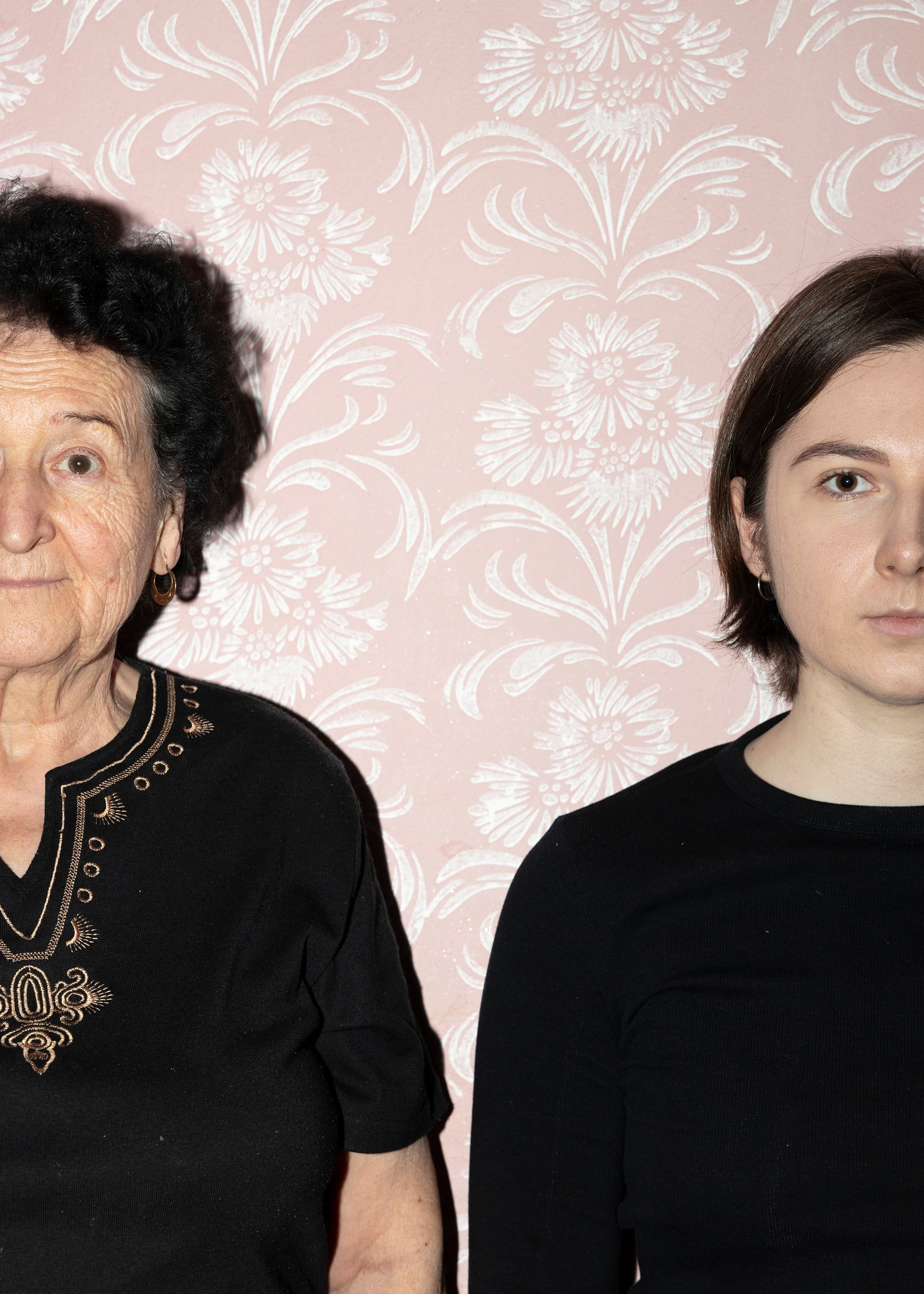
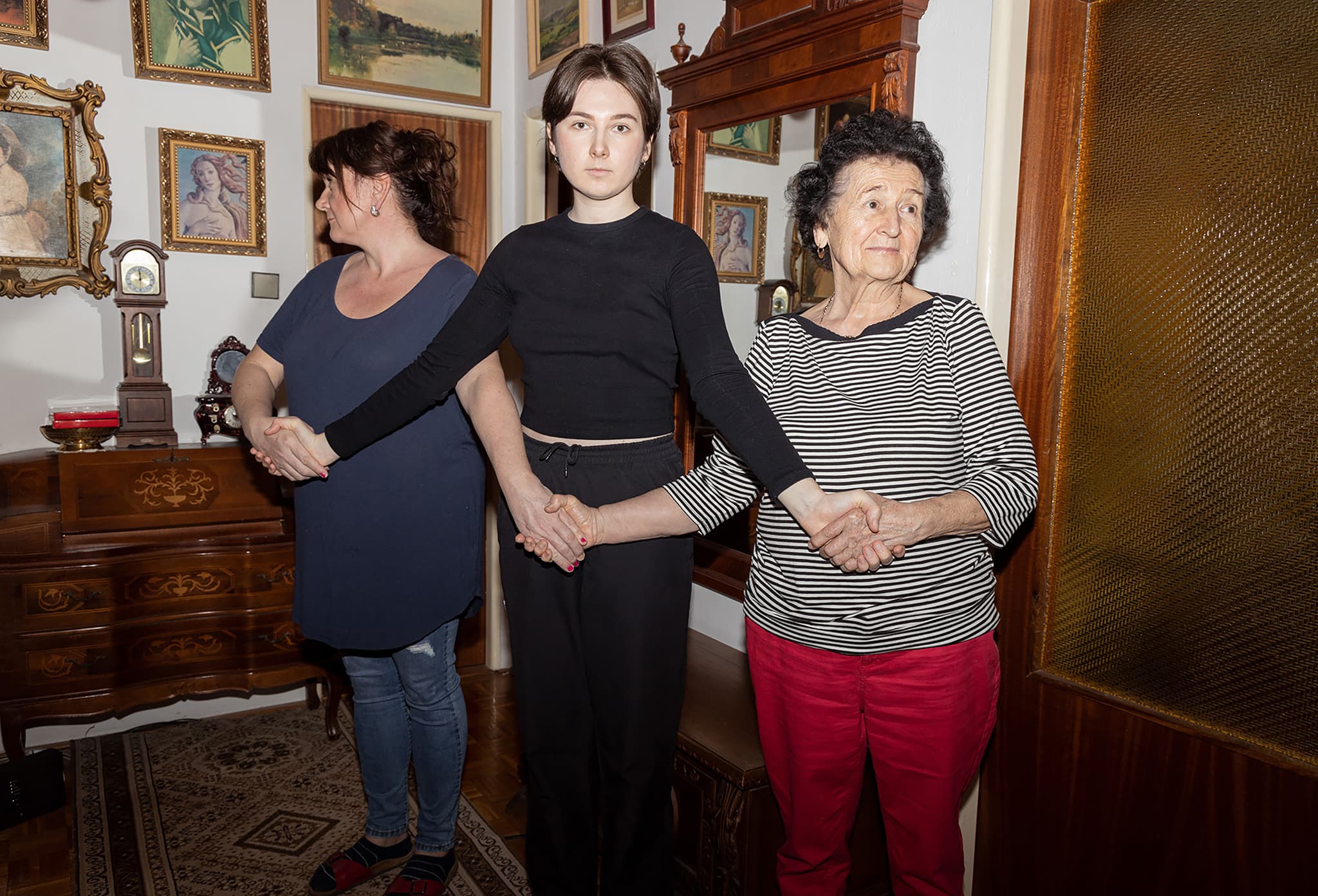
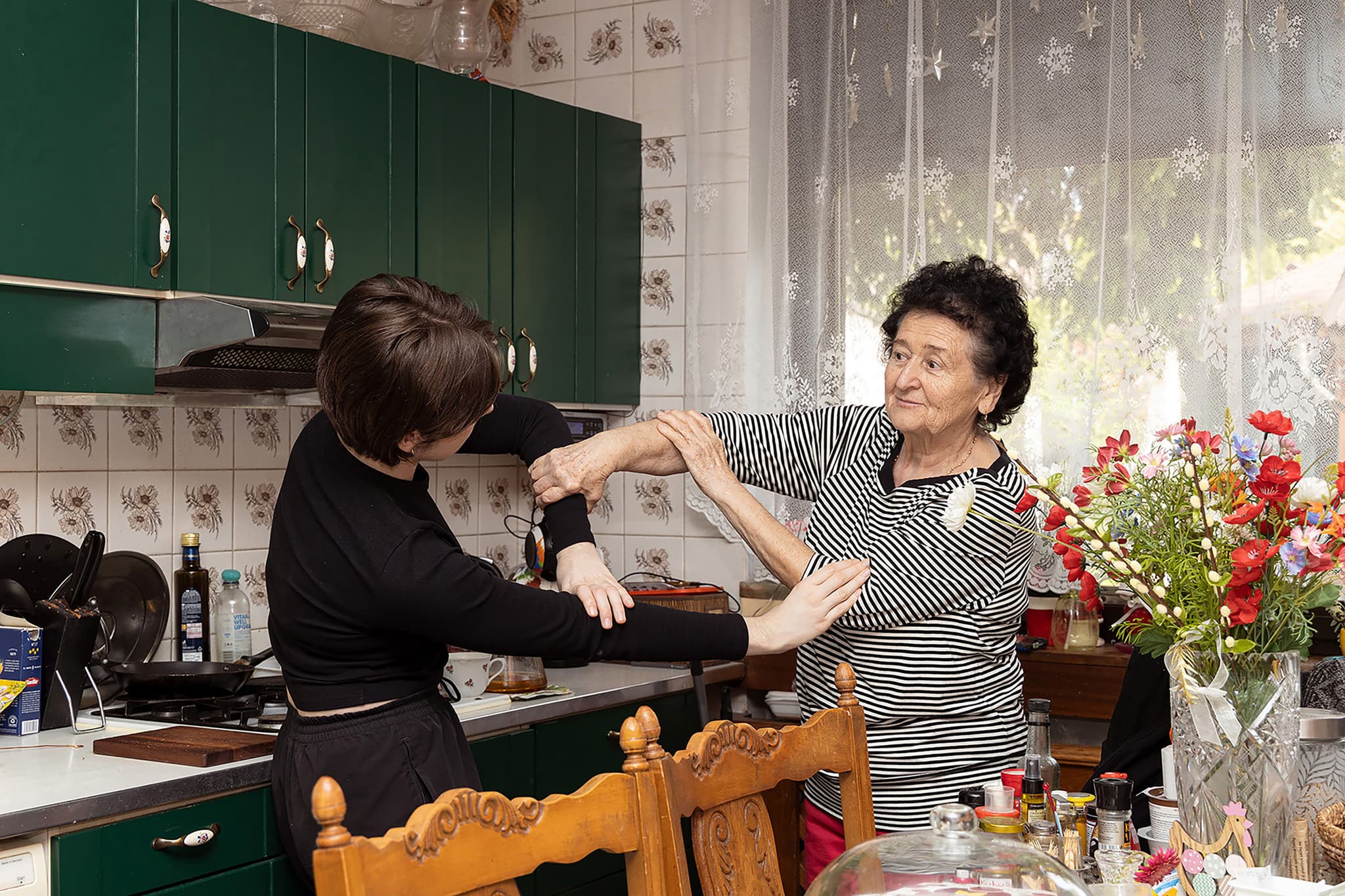
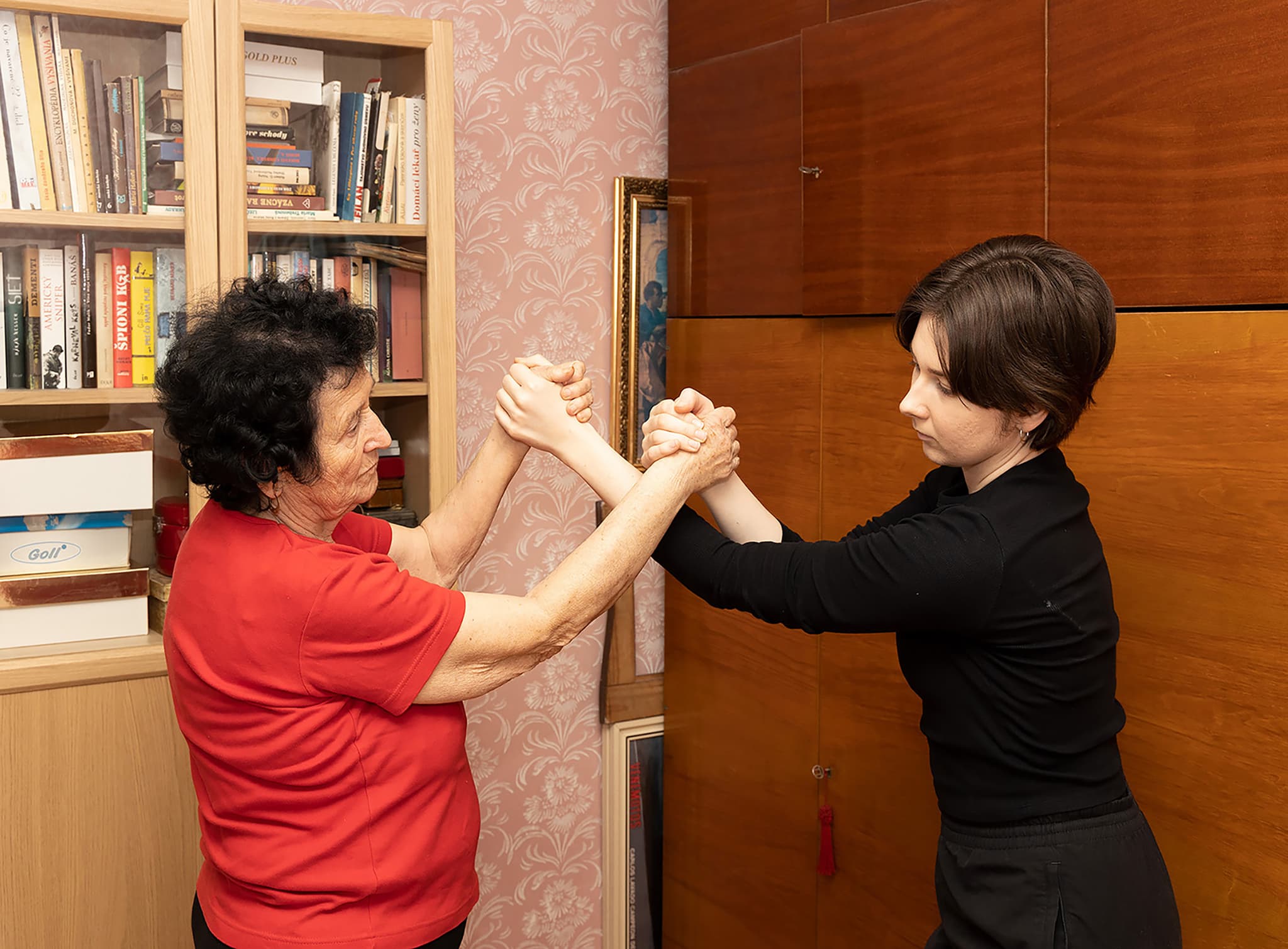
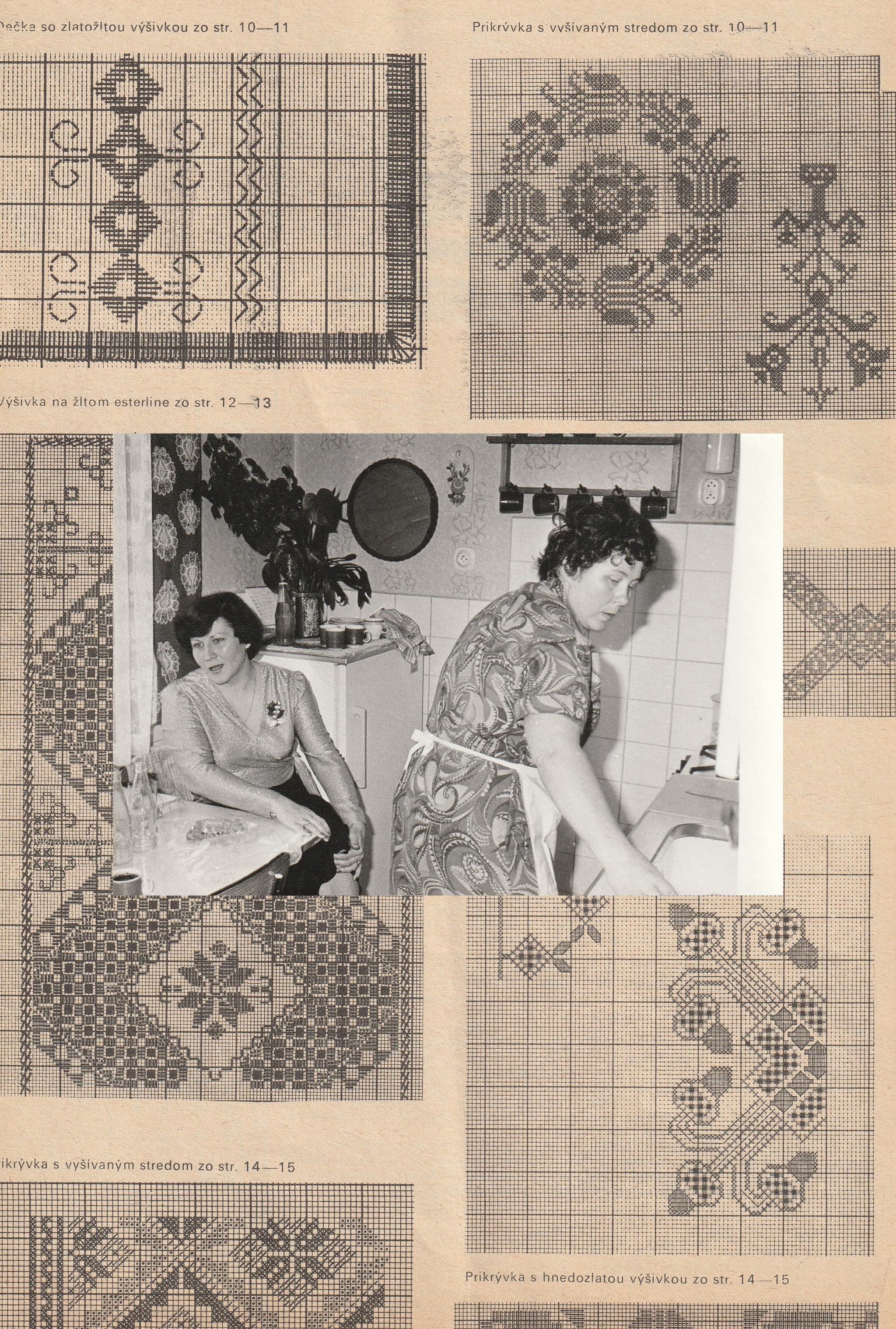
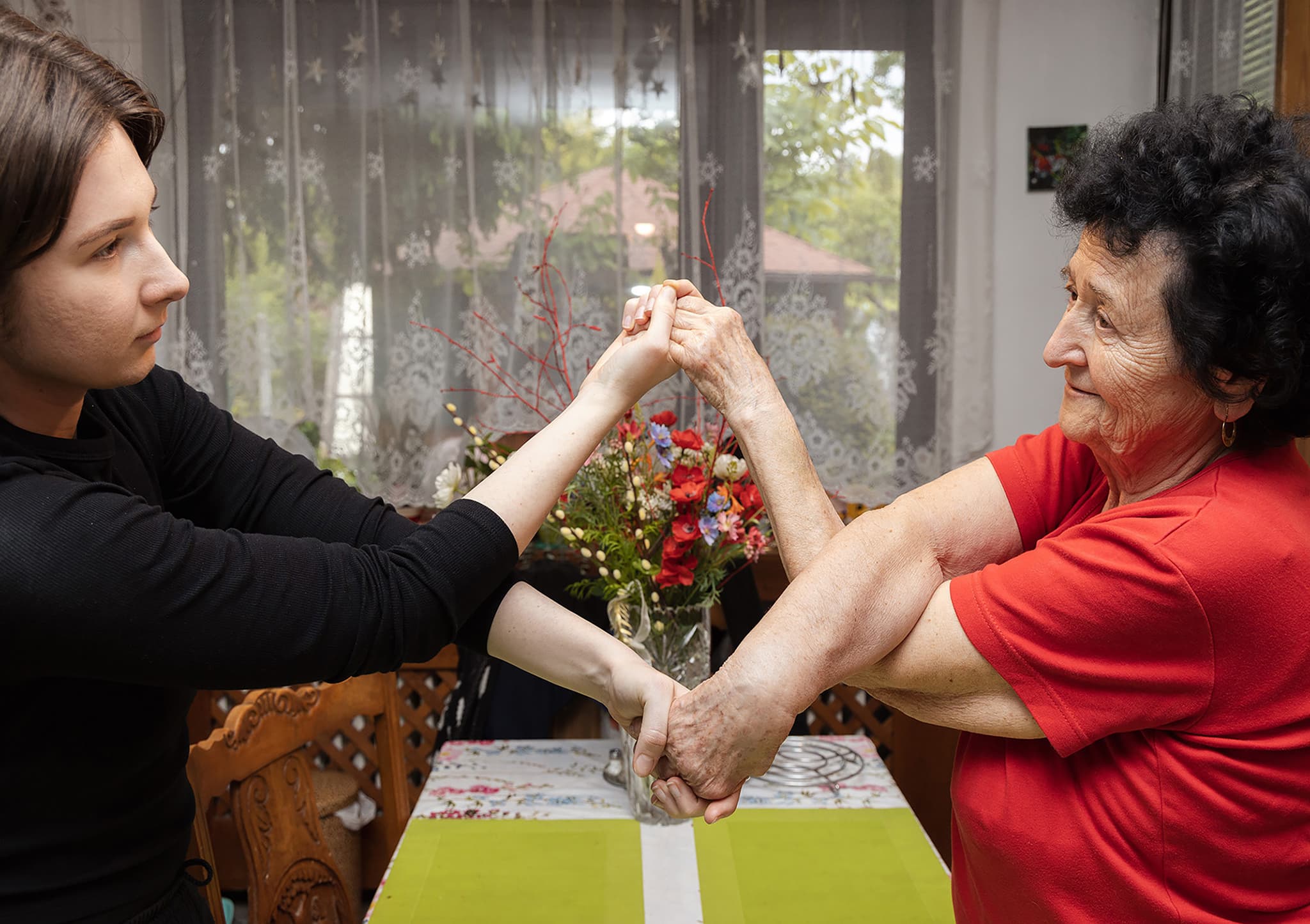
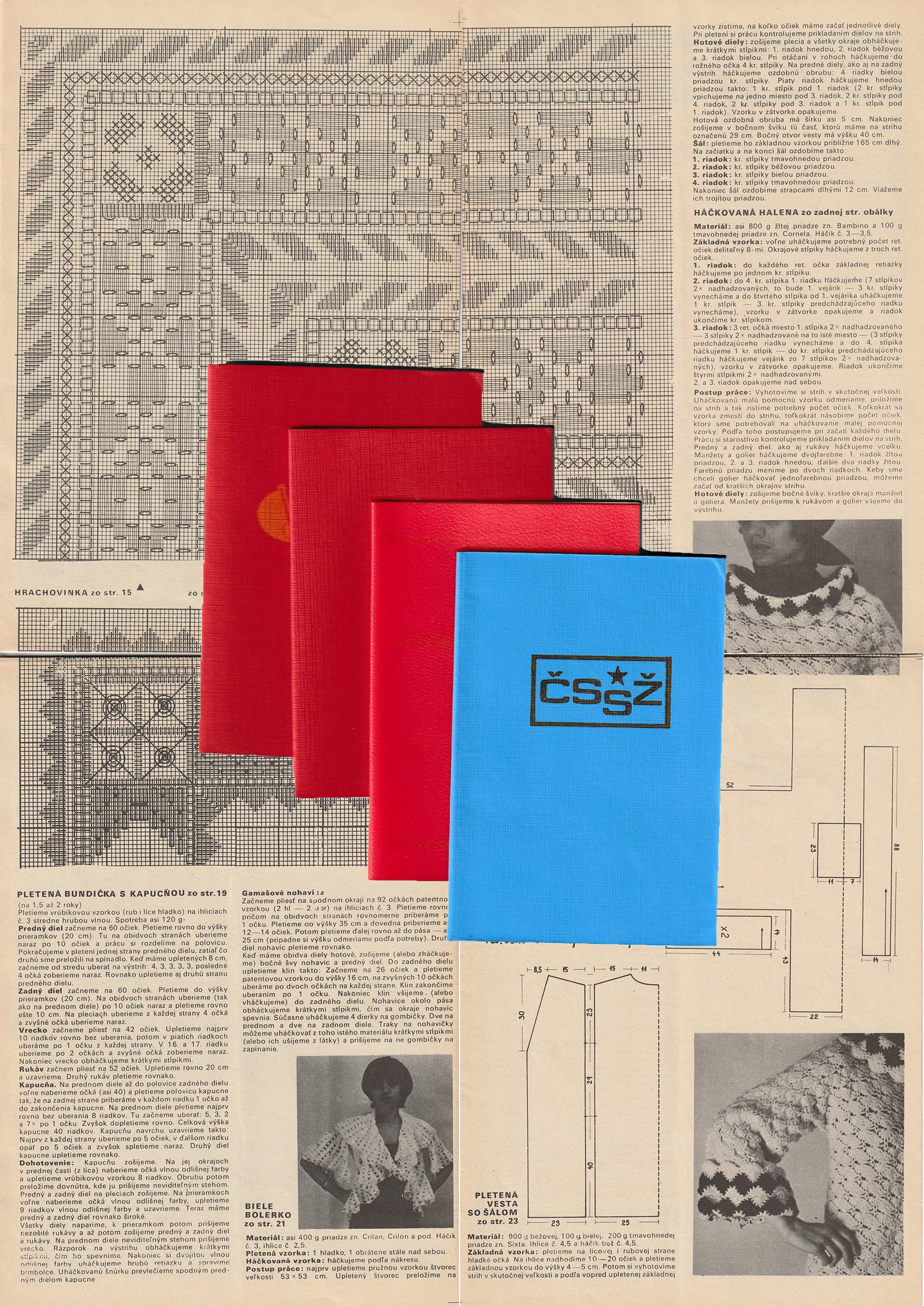
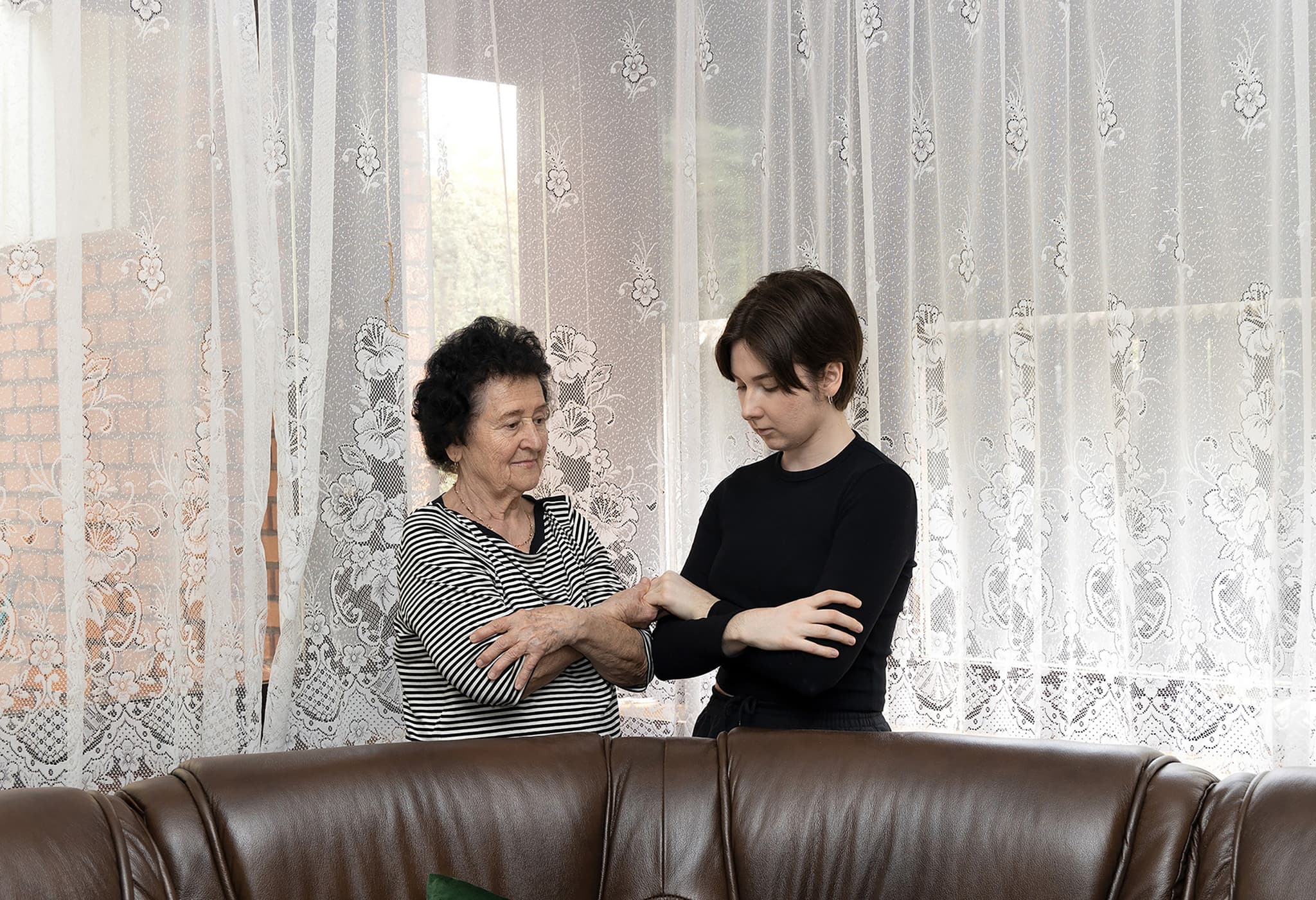
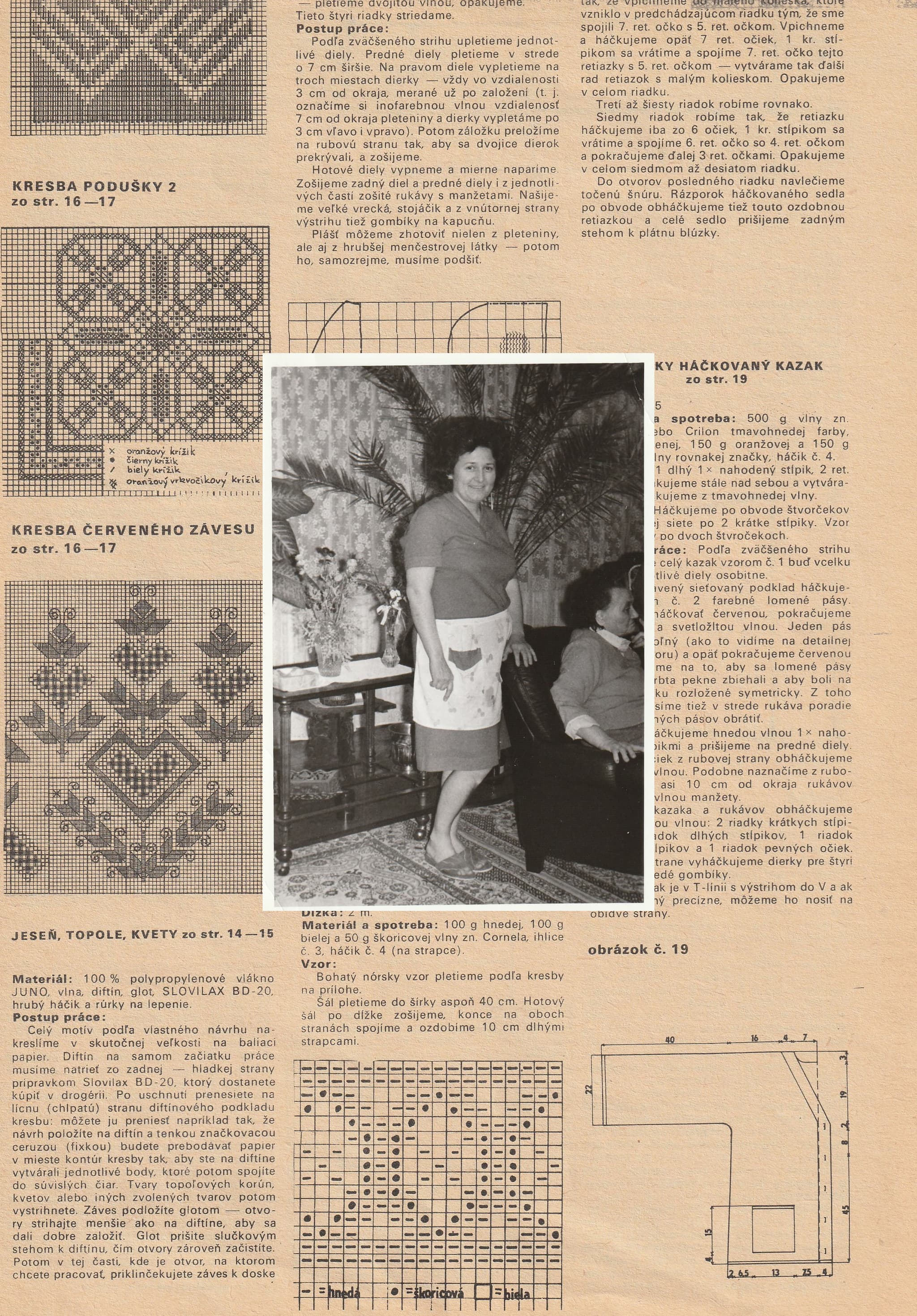
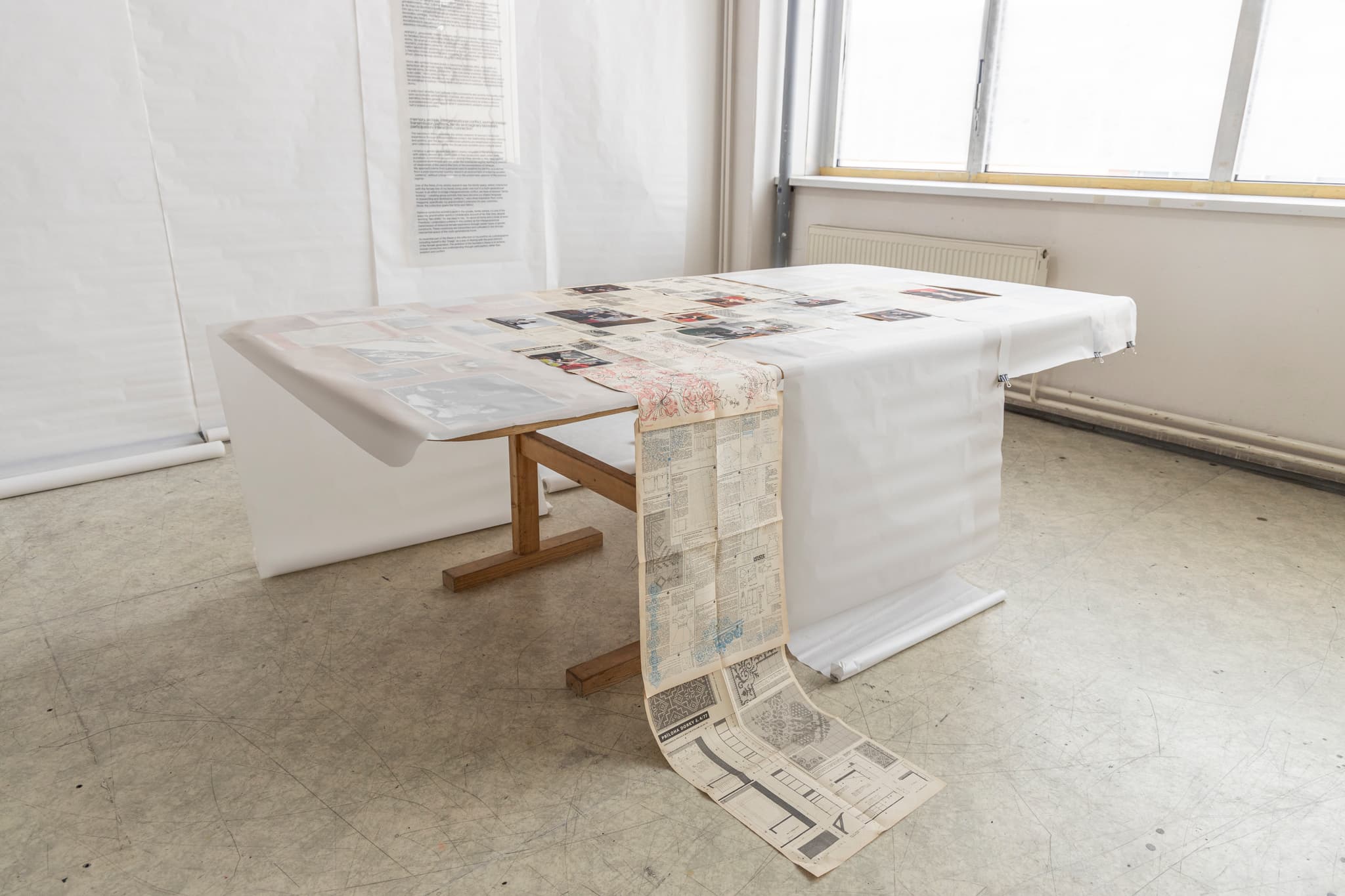
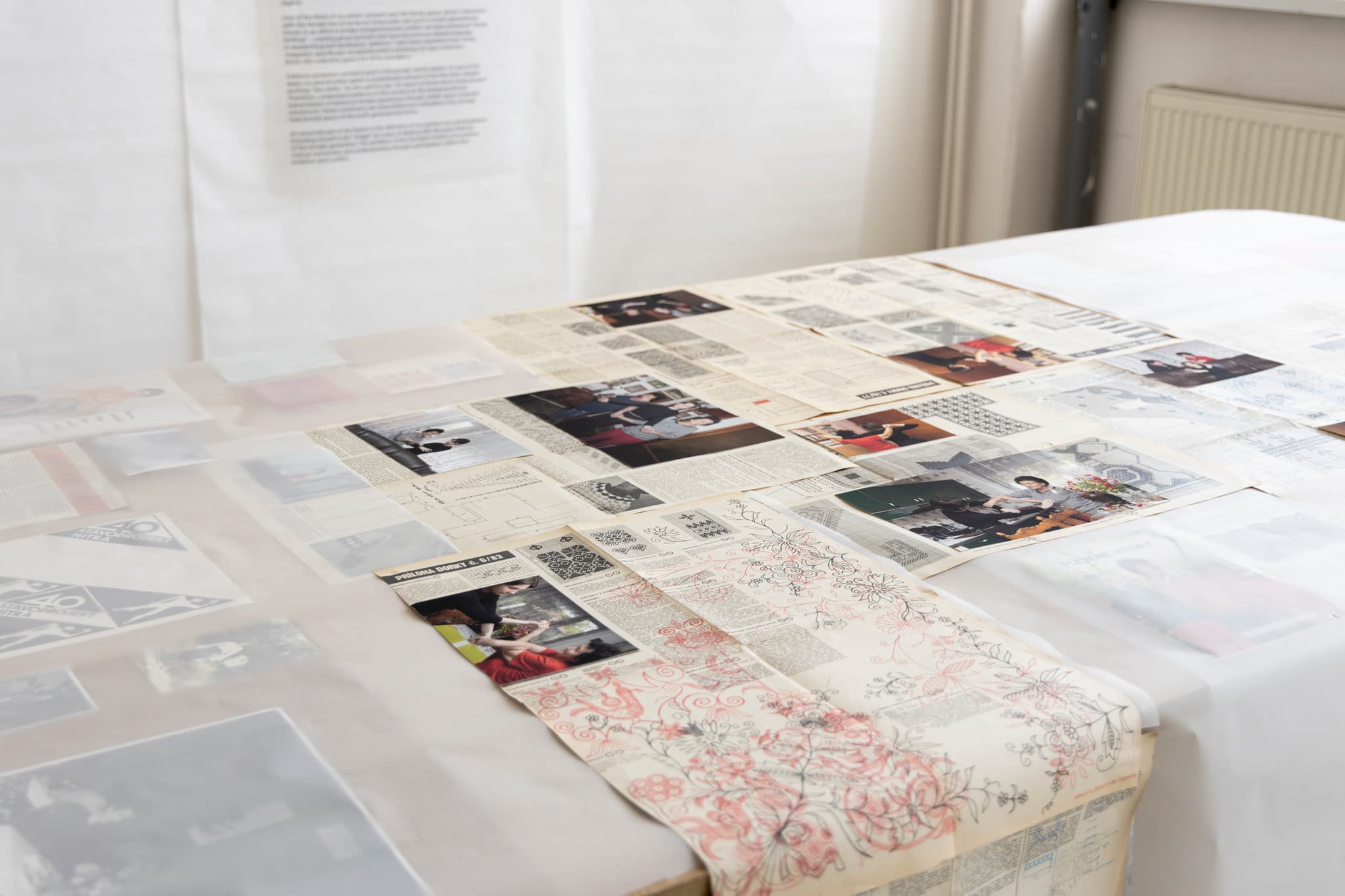
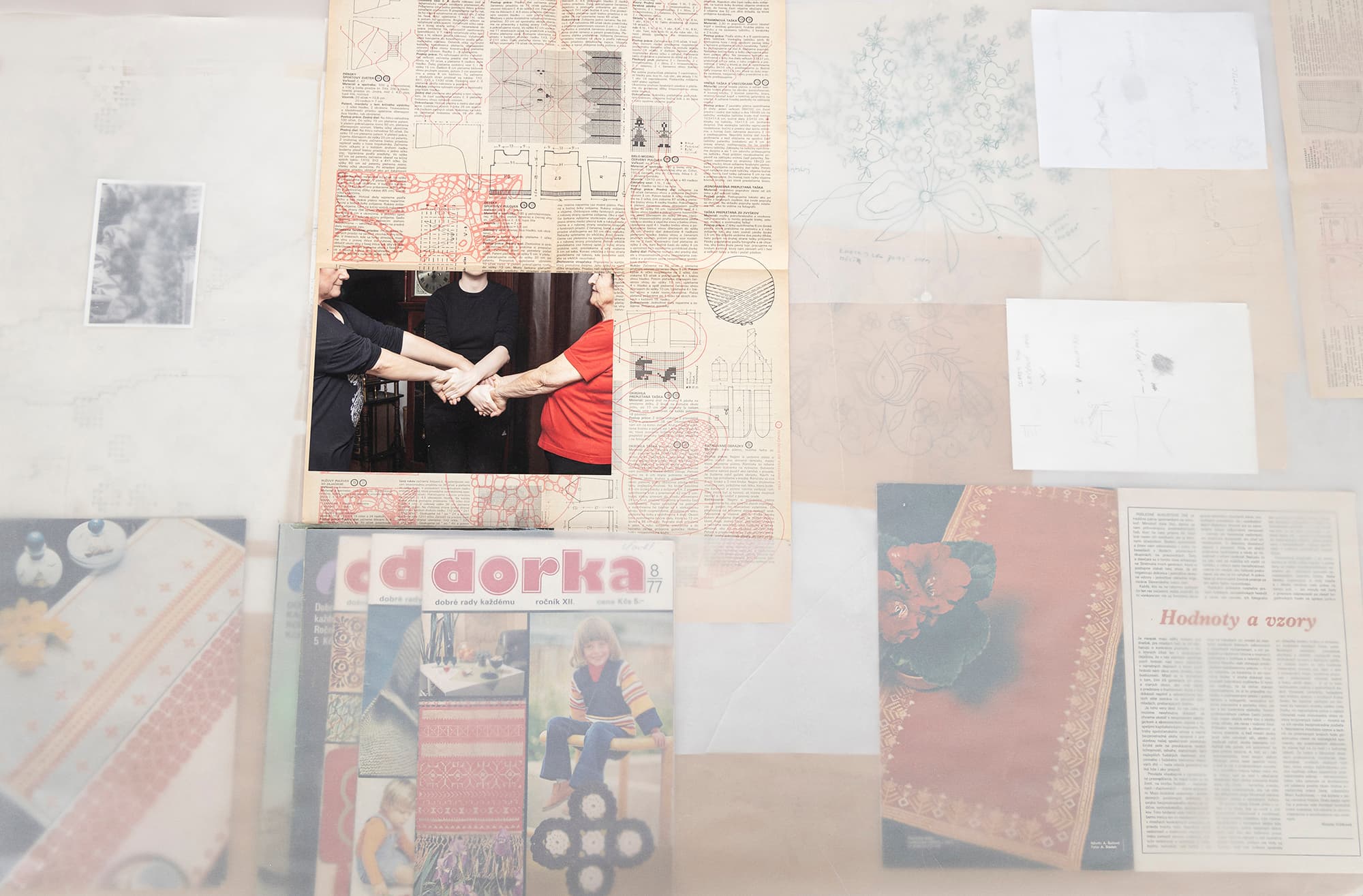
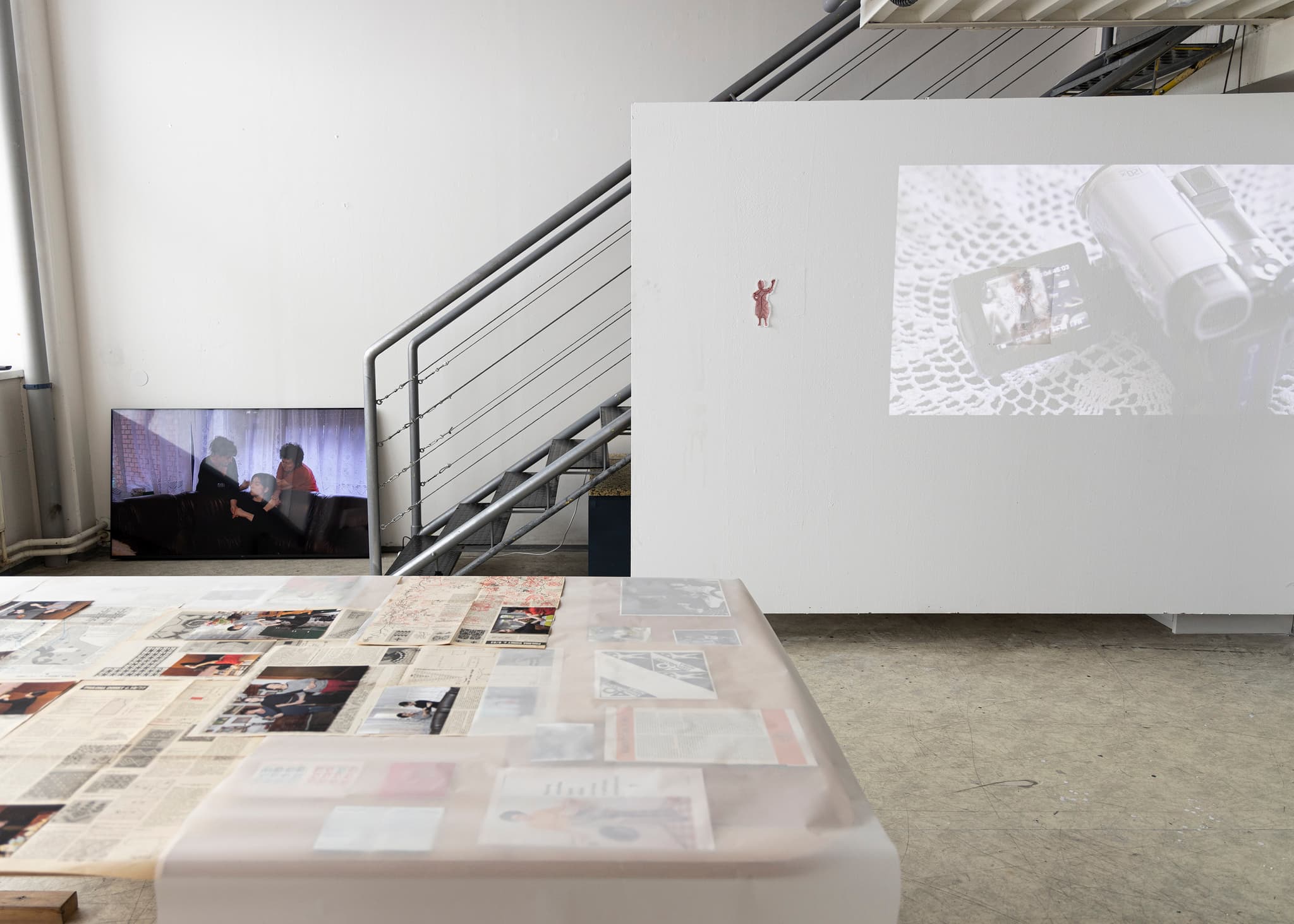
My approach reflects a personal need to re-examine my identity as a woman from a post-socialist country, raised within socialist "patterns" without critically reflecting on the regime's totalitarian issues. I was engaging with the female lineage of my family, who live together in a multi-generational house. In an effort to bridge intergenerational conflict, we embraced "family knitting" by creating group portraits, which became our shared language. In researching and developing these "patterns," I drew inspiration from Dorka magazine, specifically my grandmother's extensive 20-year collection from the 1970s and 1980s. This magazine, specializing in knitting and crochet, was known for its pattern cuts and targeted socialist women. I included these knitting patterns into my visual approach when composing group portraits with my grandmother and aunt.
I reflect on the tight relationship between memory and politics. The magazine is one of the archival materials I used to contextualize the family (her)story. The editorials, particularly the introductory texts, add a political and historical context to each issue, where ideology and the agitation of women for tradition, manual labor, "household order," and balancing the dual burden of work and home in service of an imagined utopian future are present.
I view these "patterns" as the intergenerational transmission of historical female experience through specific constructs, whether related to gender or memory. These constructs are transmitted and cultivated in the strongly matriarchal space of the multi-generational home.
I chose to include myself in the image as a way of engaging with the post-memory of the female generation. A key goal was to create a transparent, participatory dynamic between myself as the photographer and my subjects-participants, fostering dialogue and understanding through collaboration rather than conflict and isolation.
Gallery