Care of Pain
2022
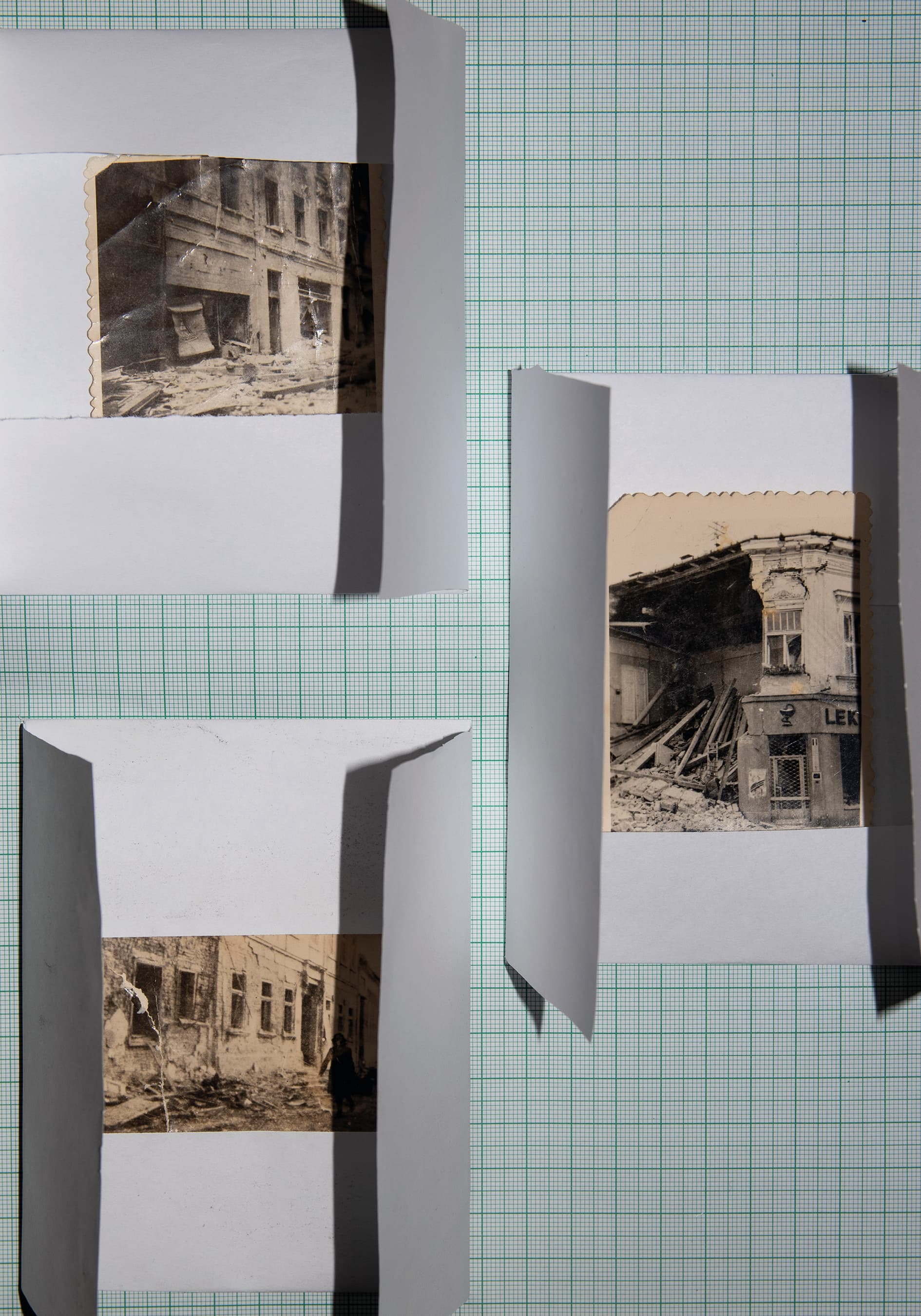
Exploring family trauma through archival photographs of the 1945 bombing of Nitra. A reflection on memory, care, and the function of photographs depicting human horror.
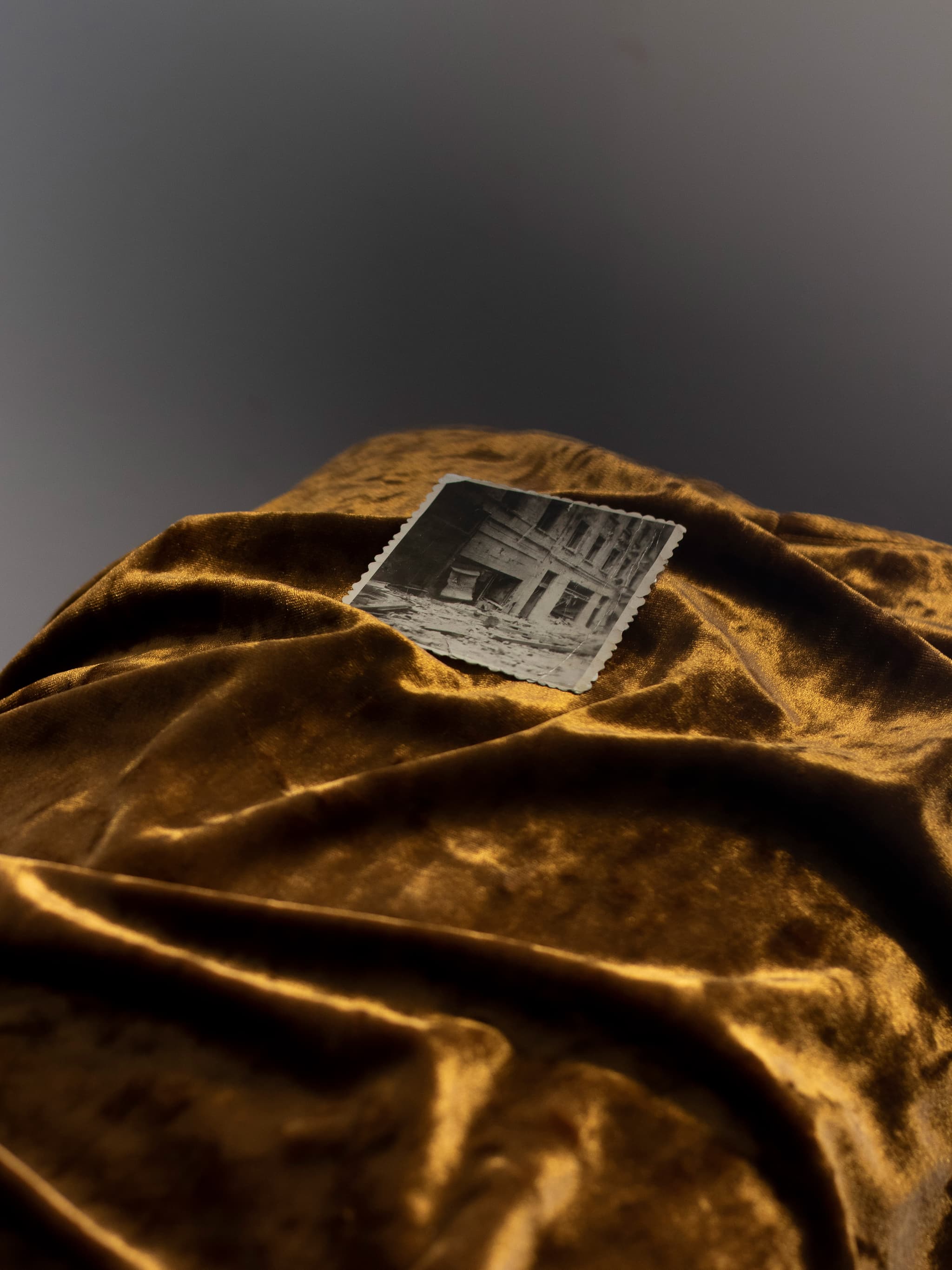
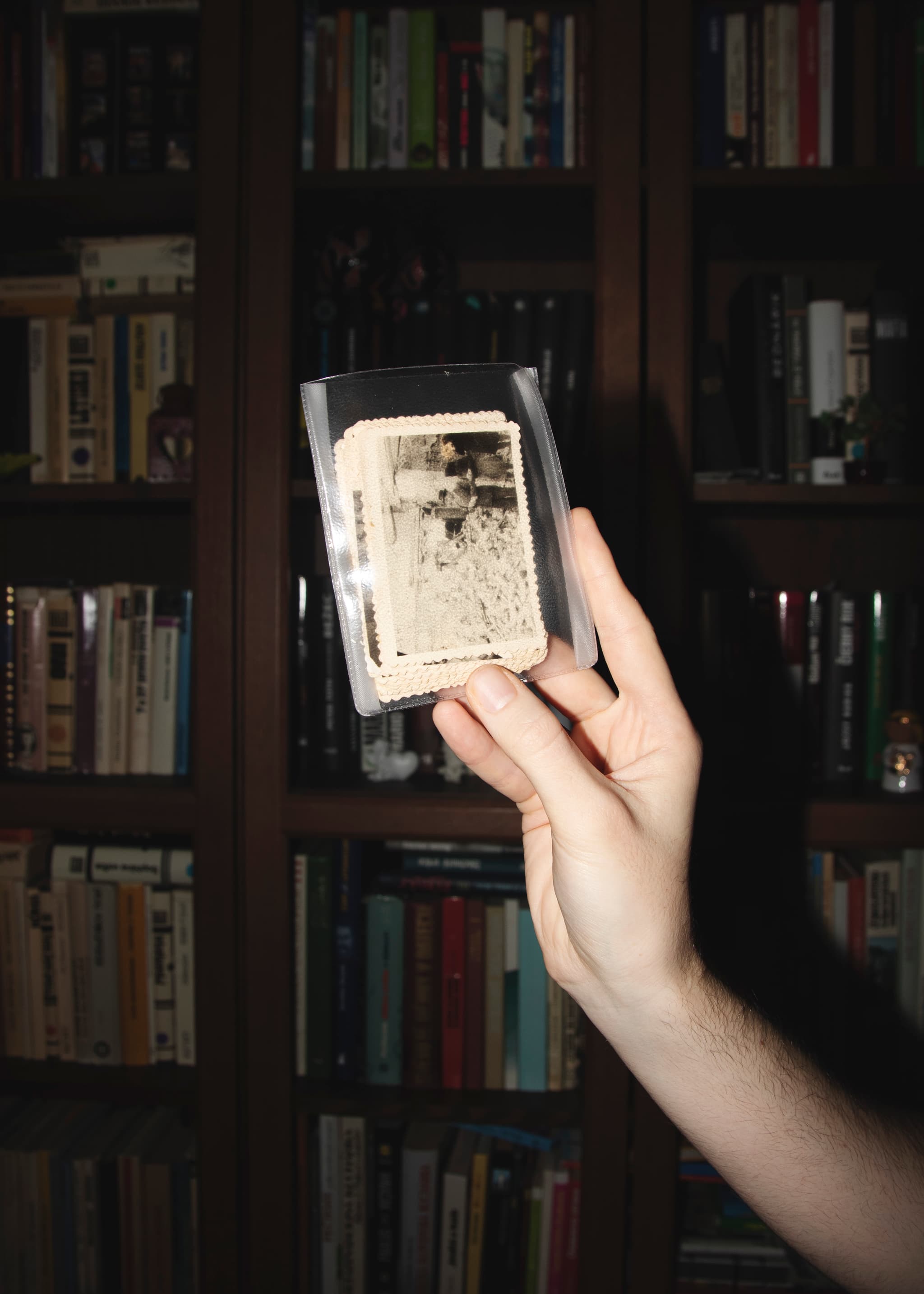
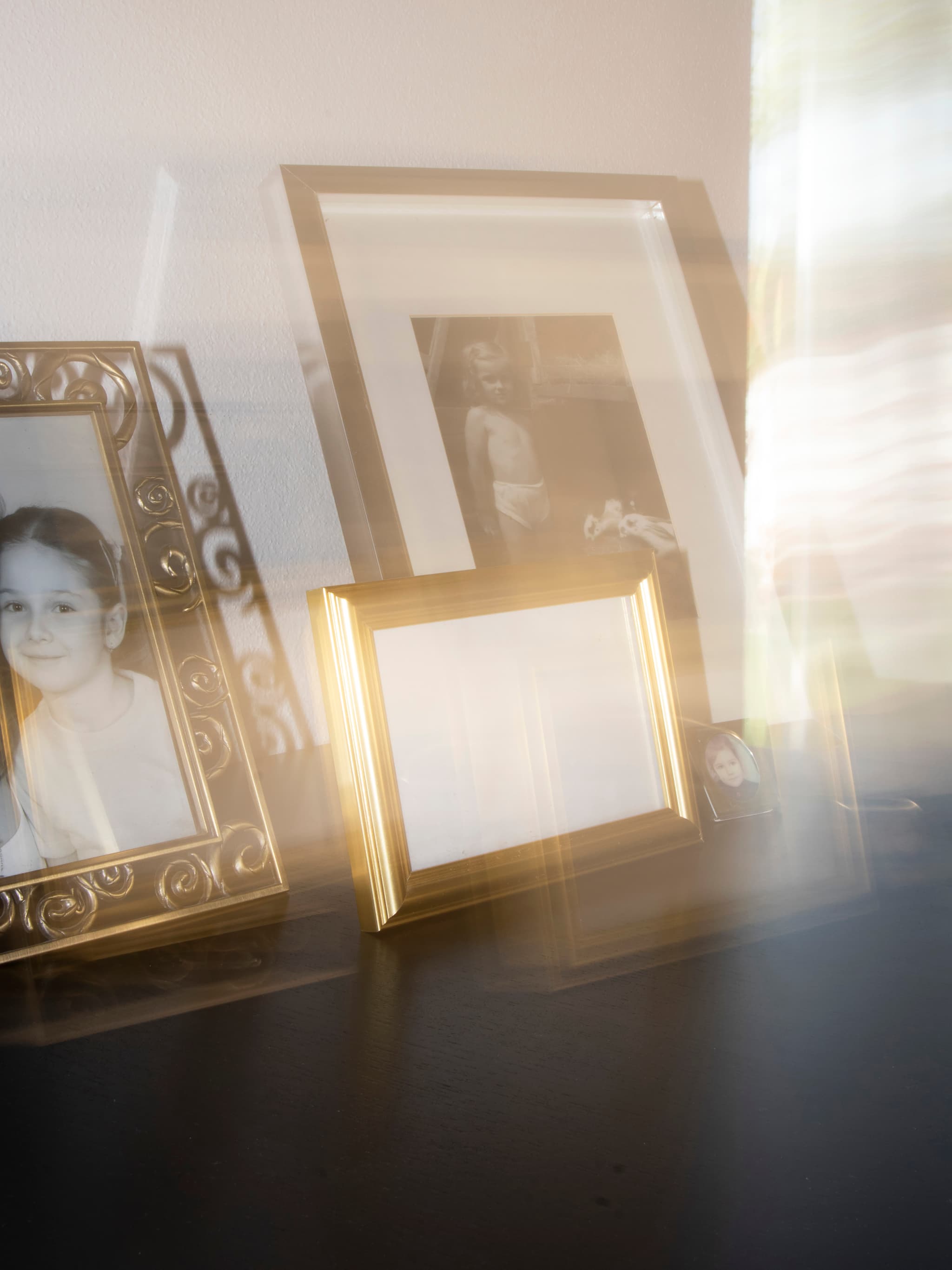
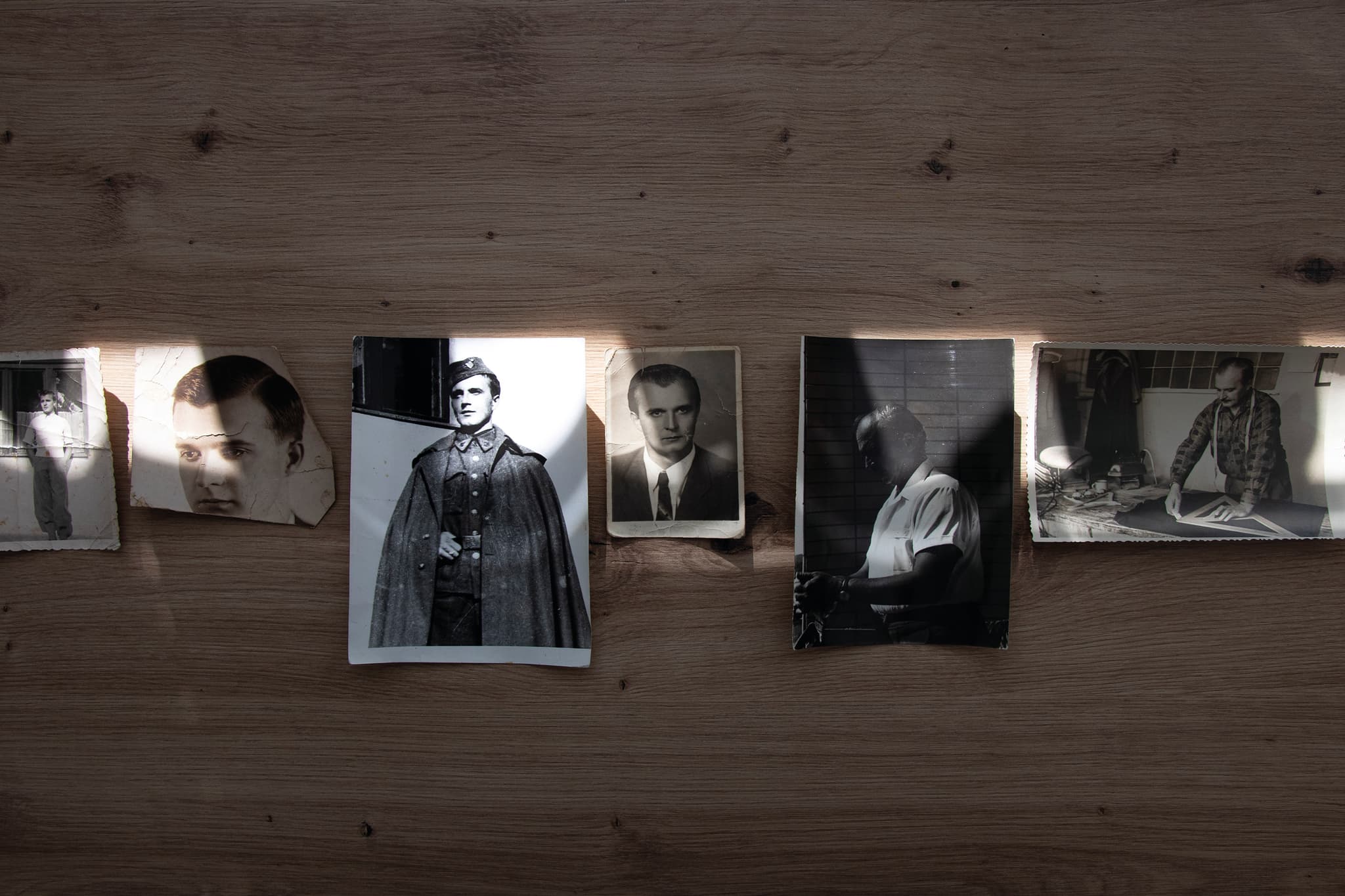
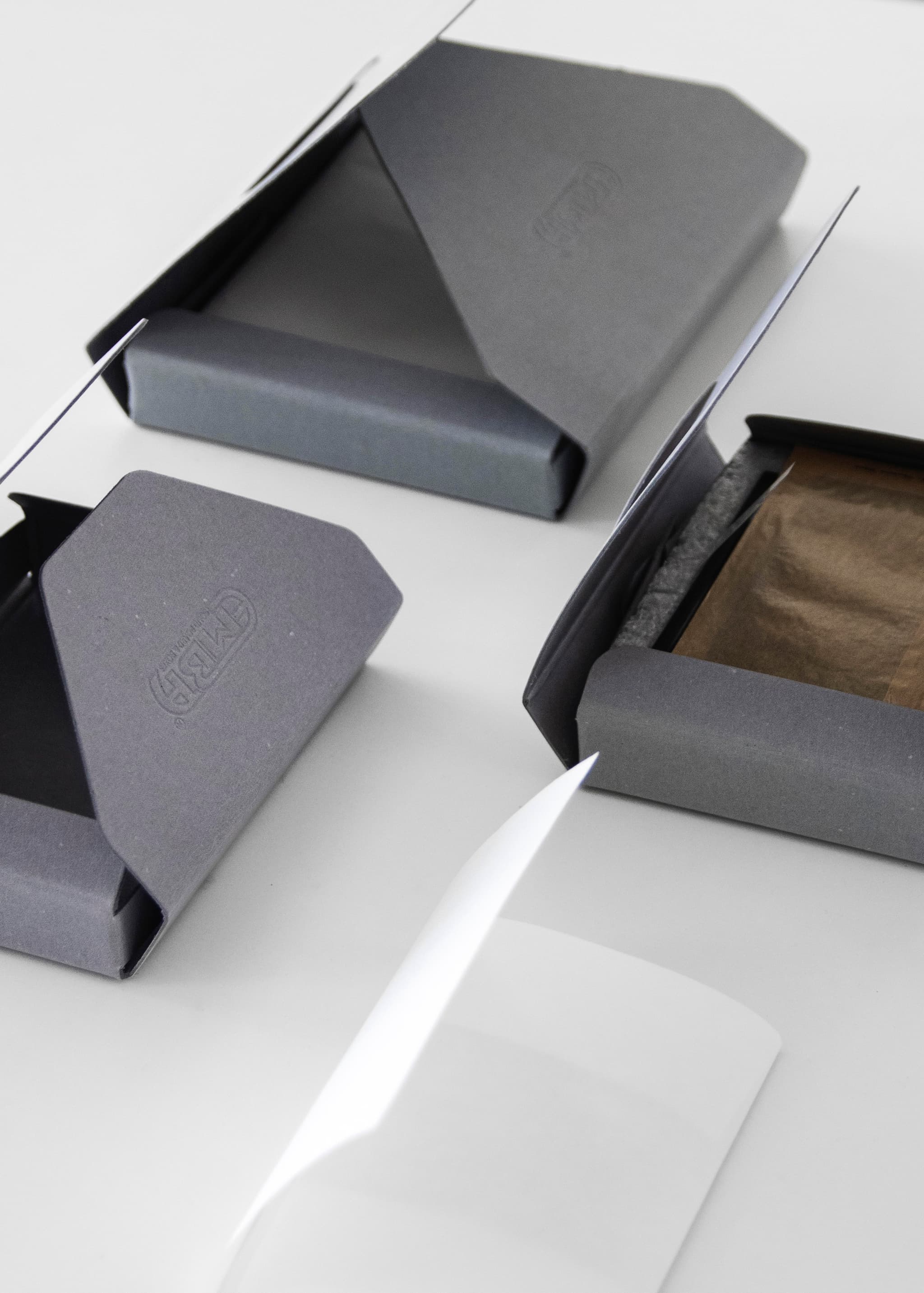
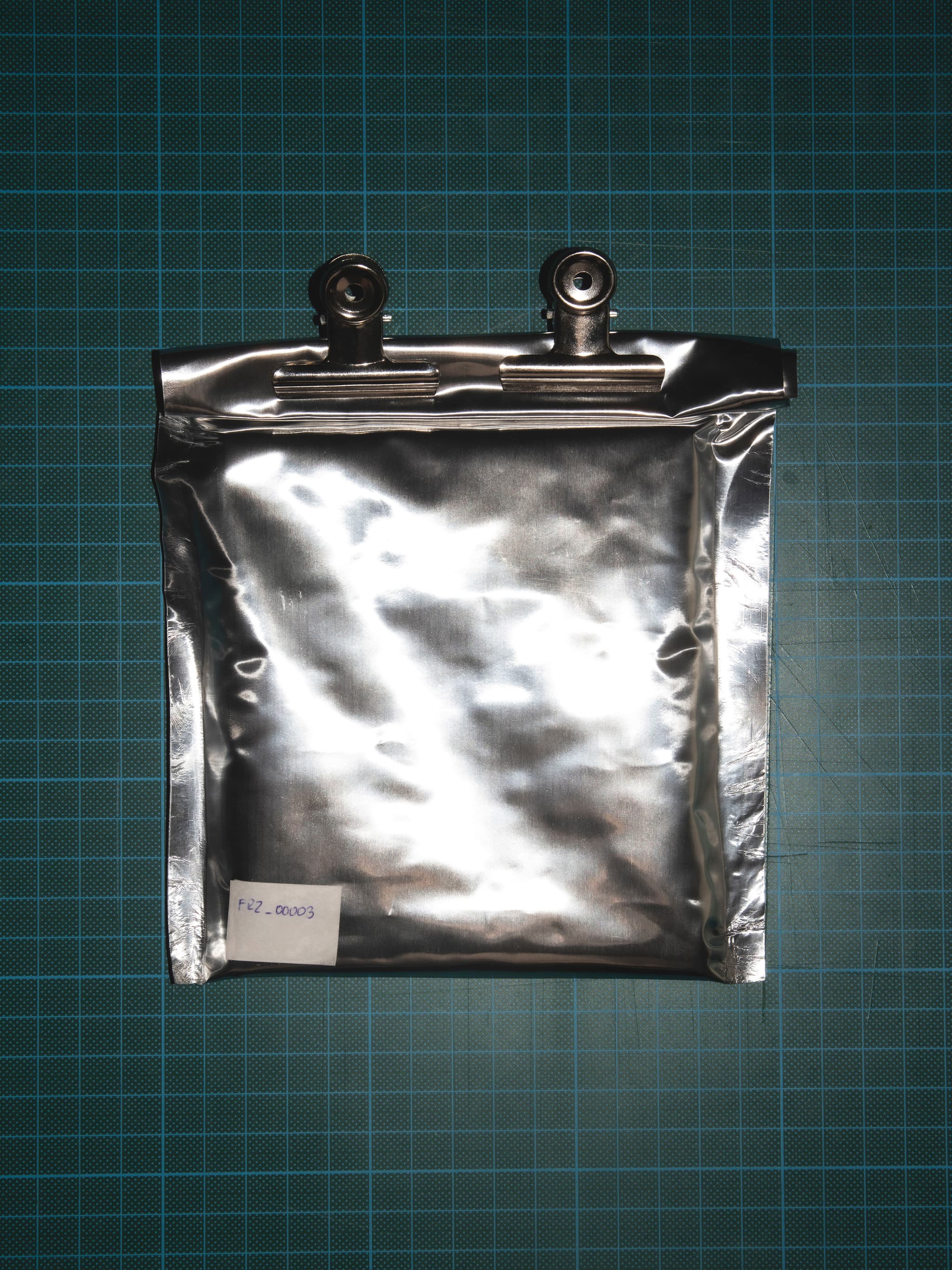
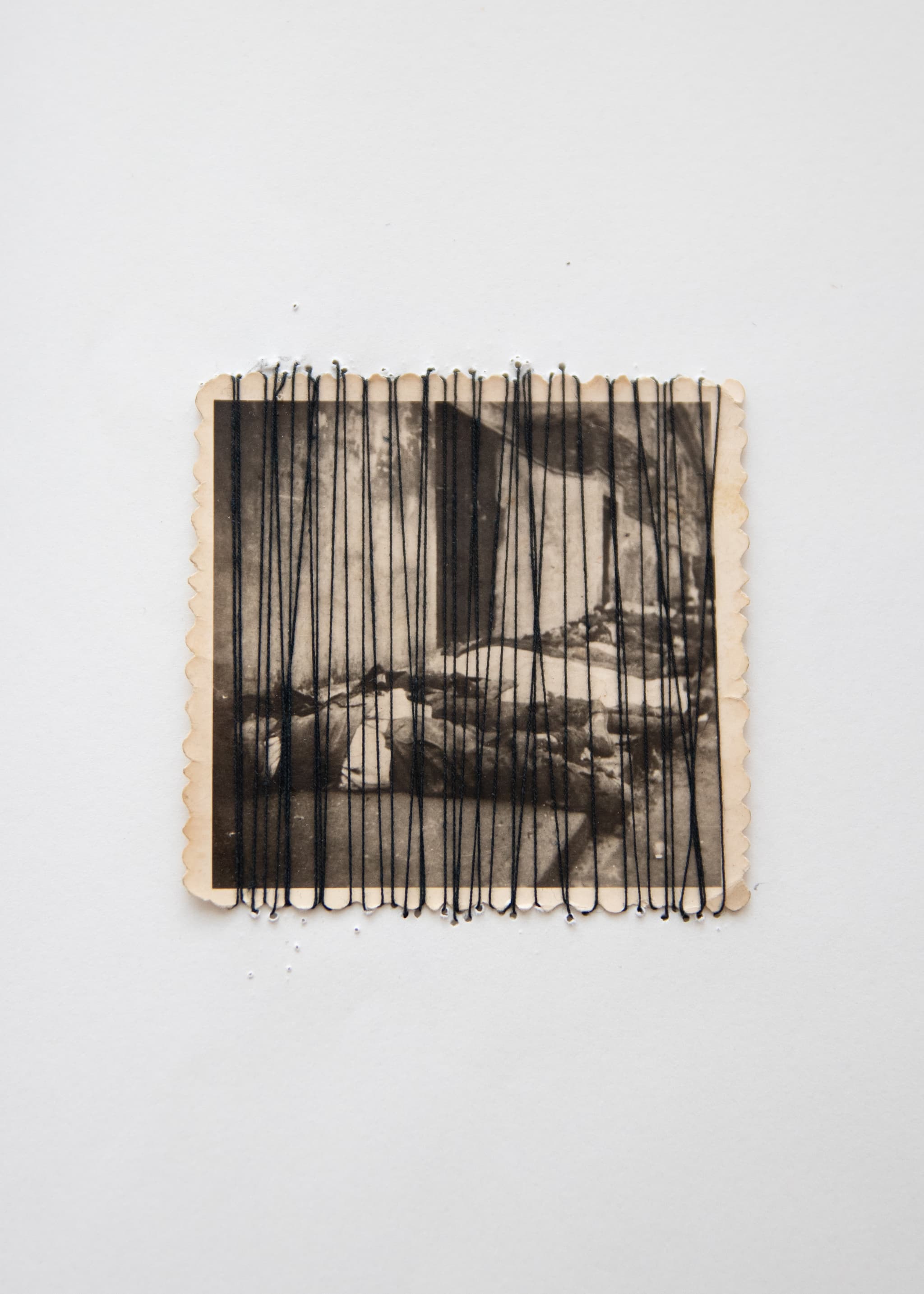
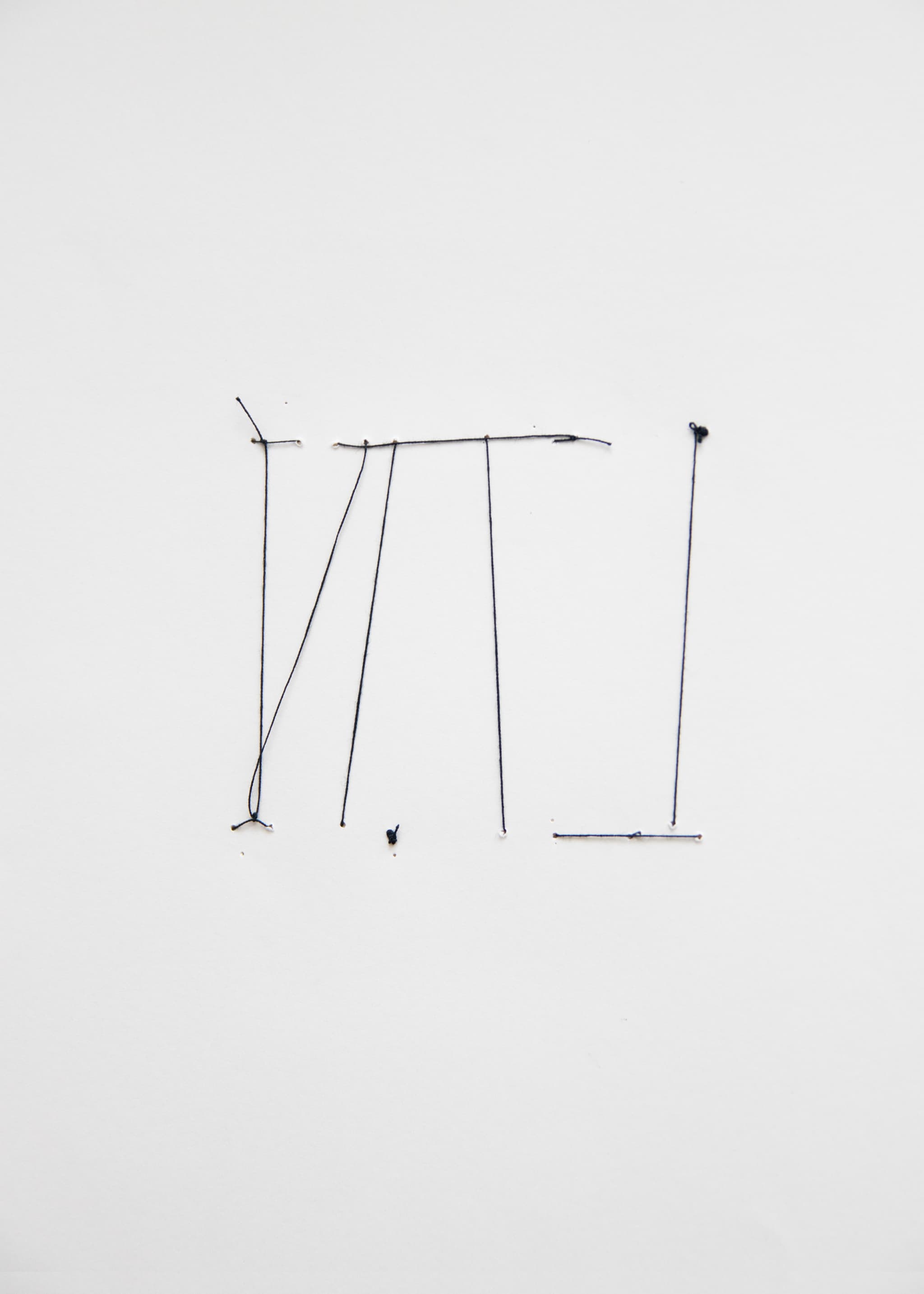
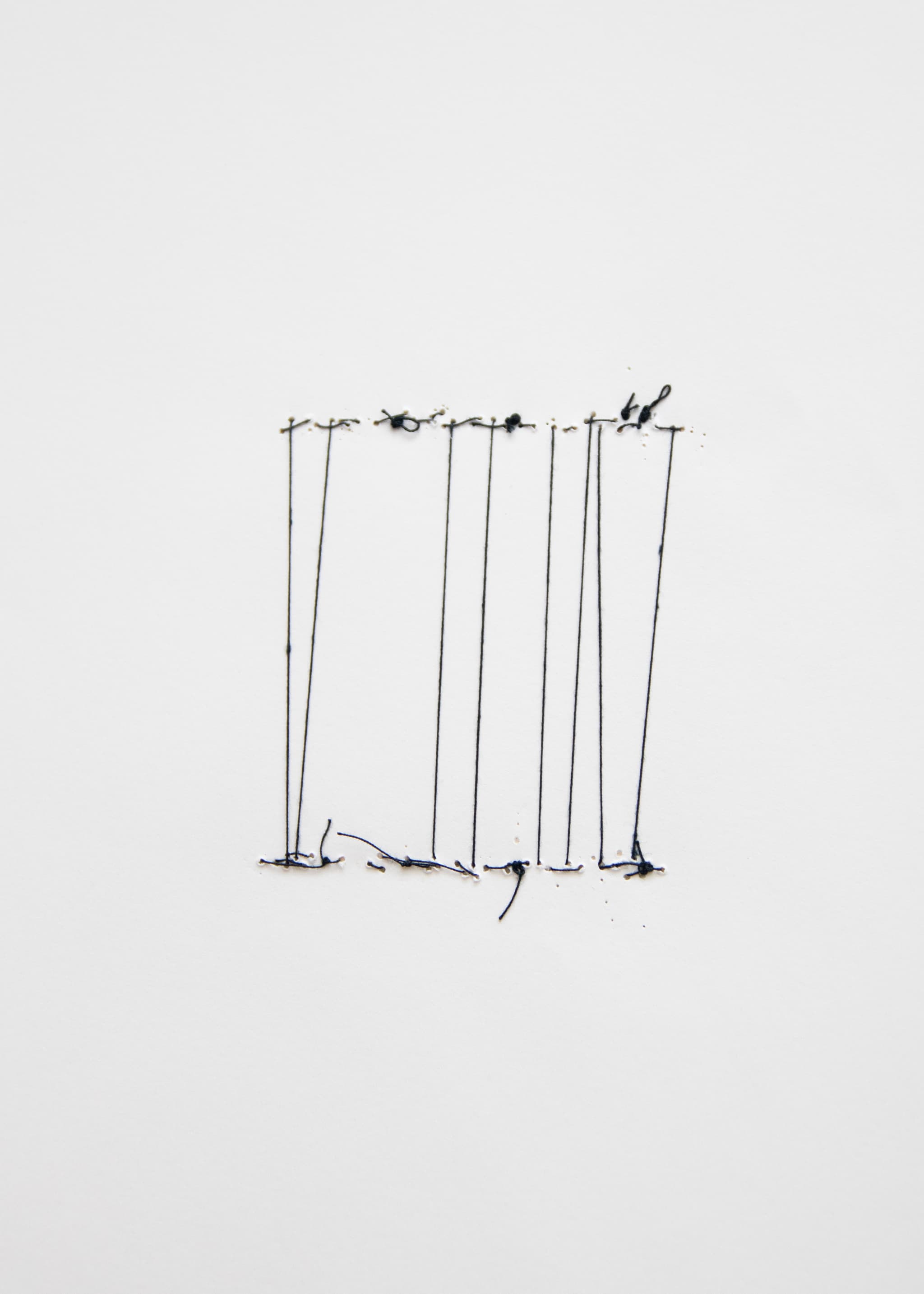
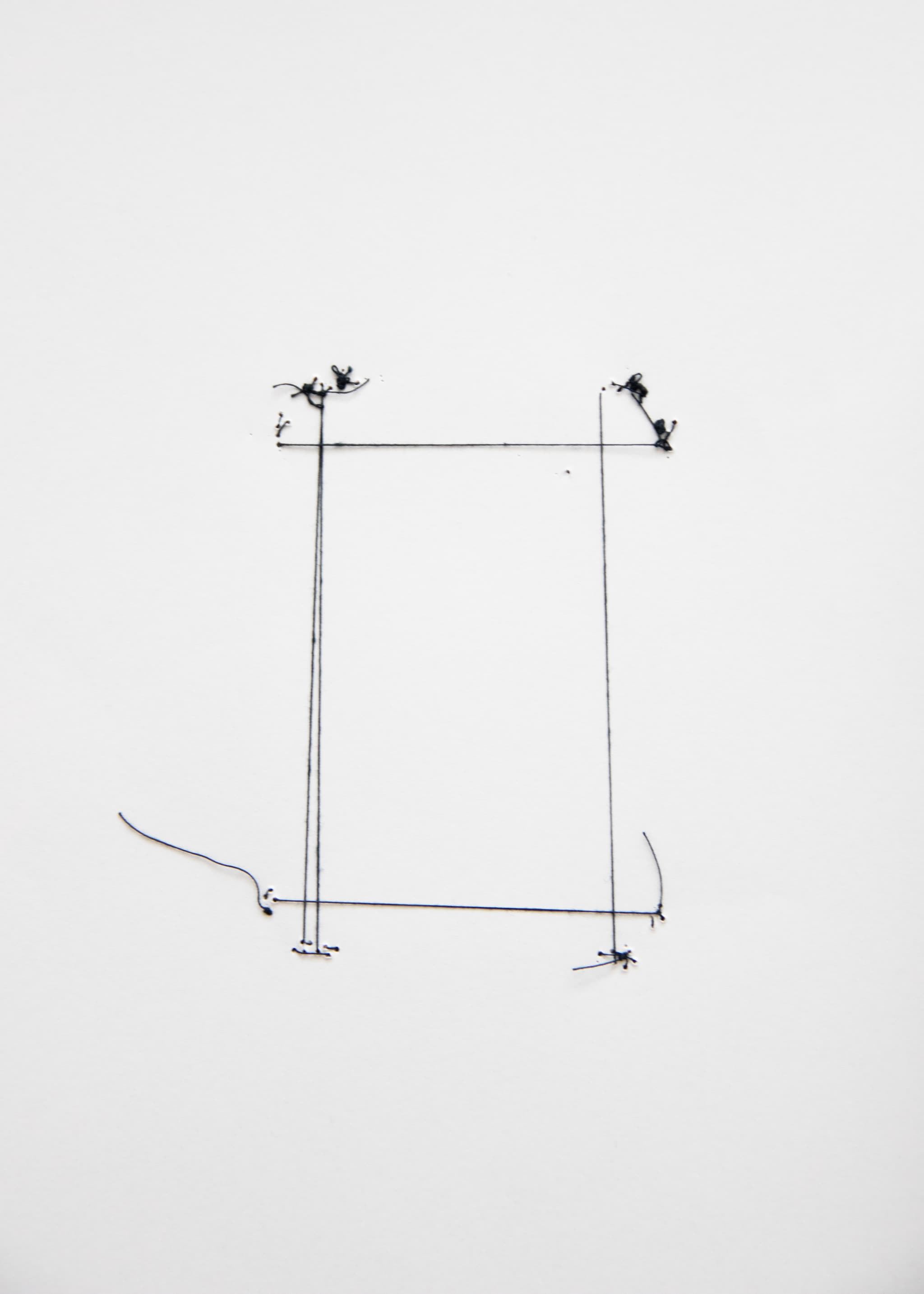
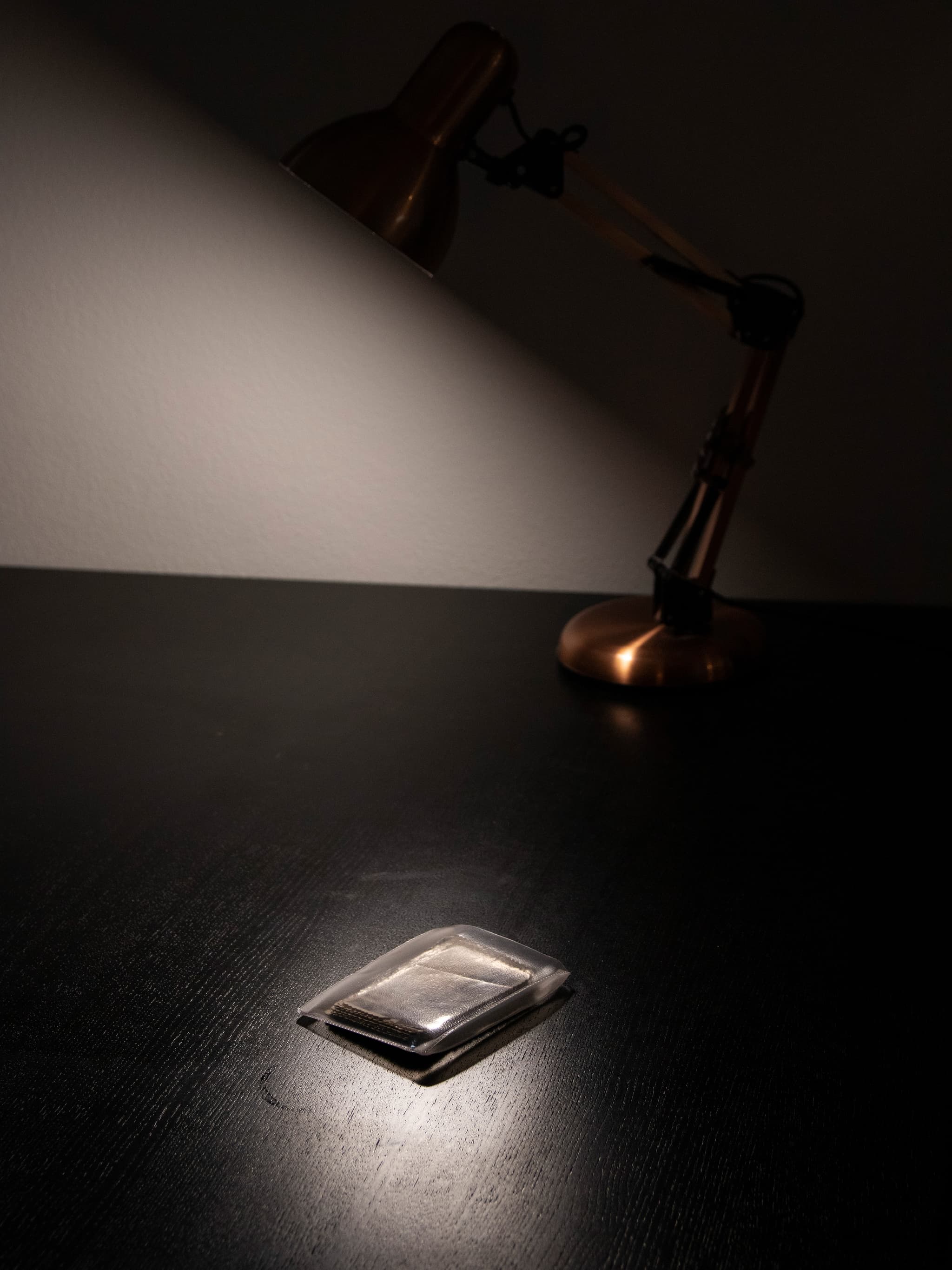
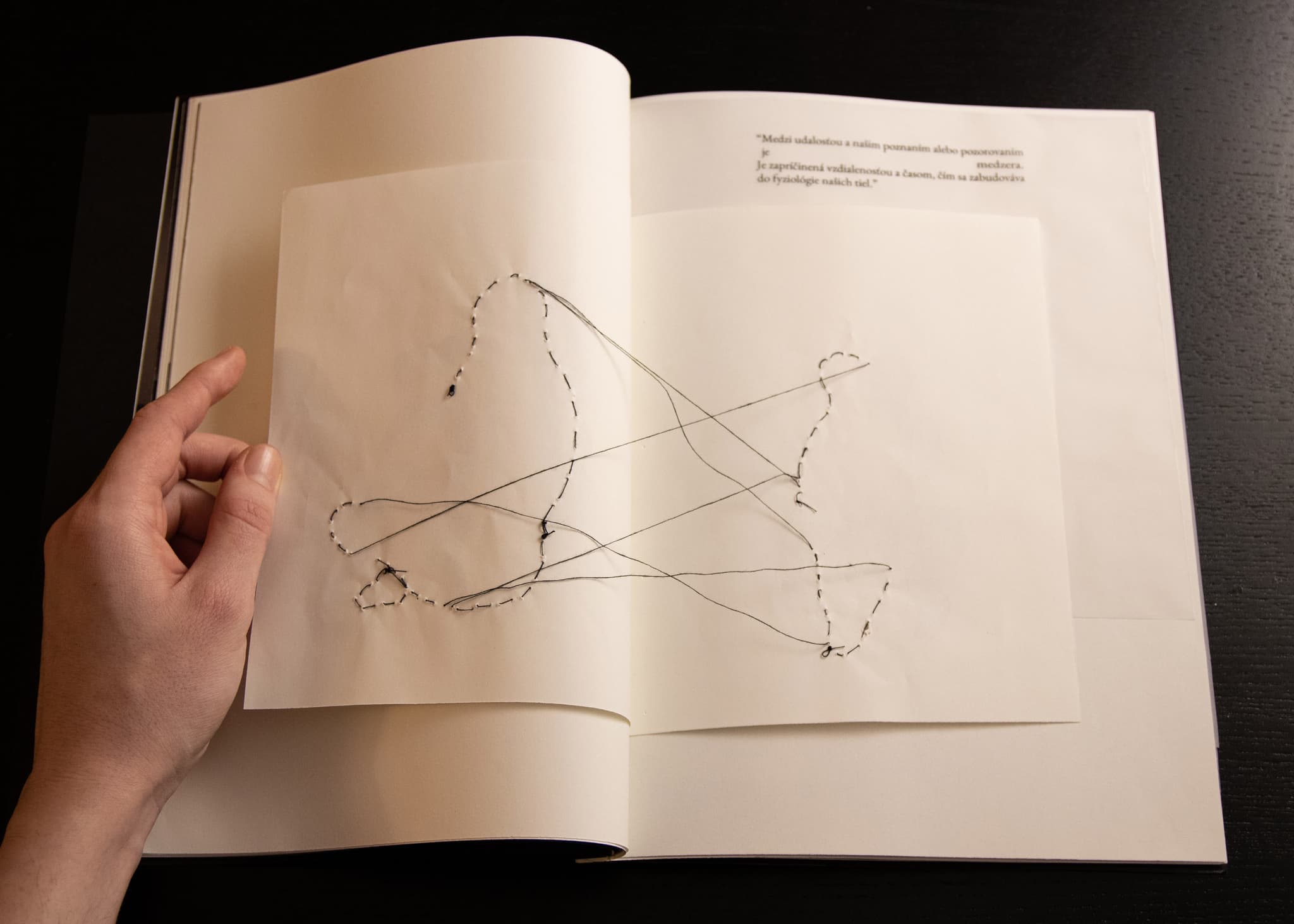
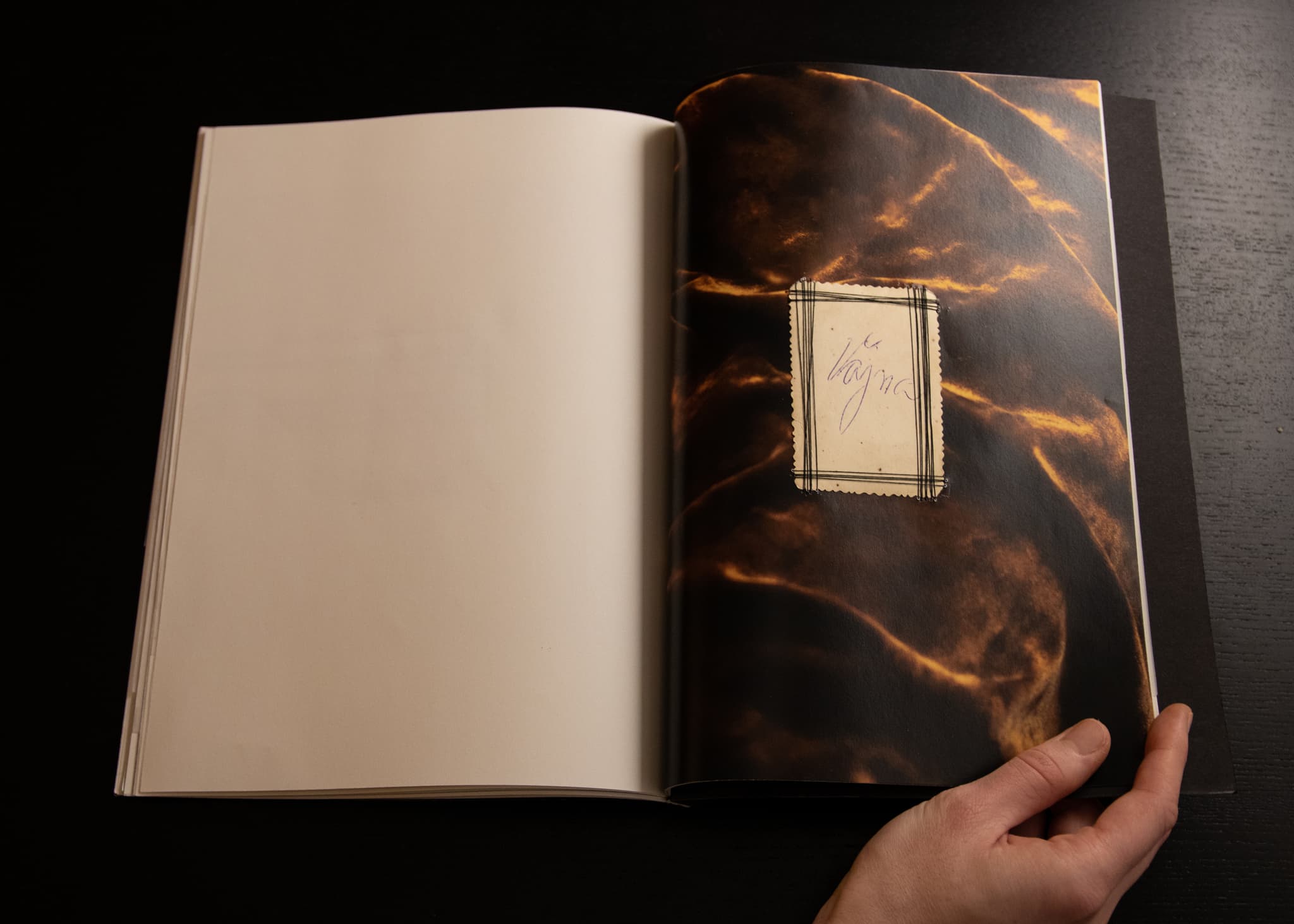
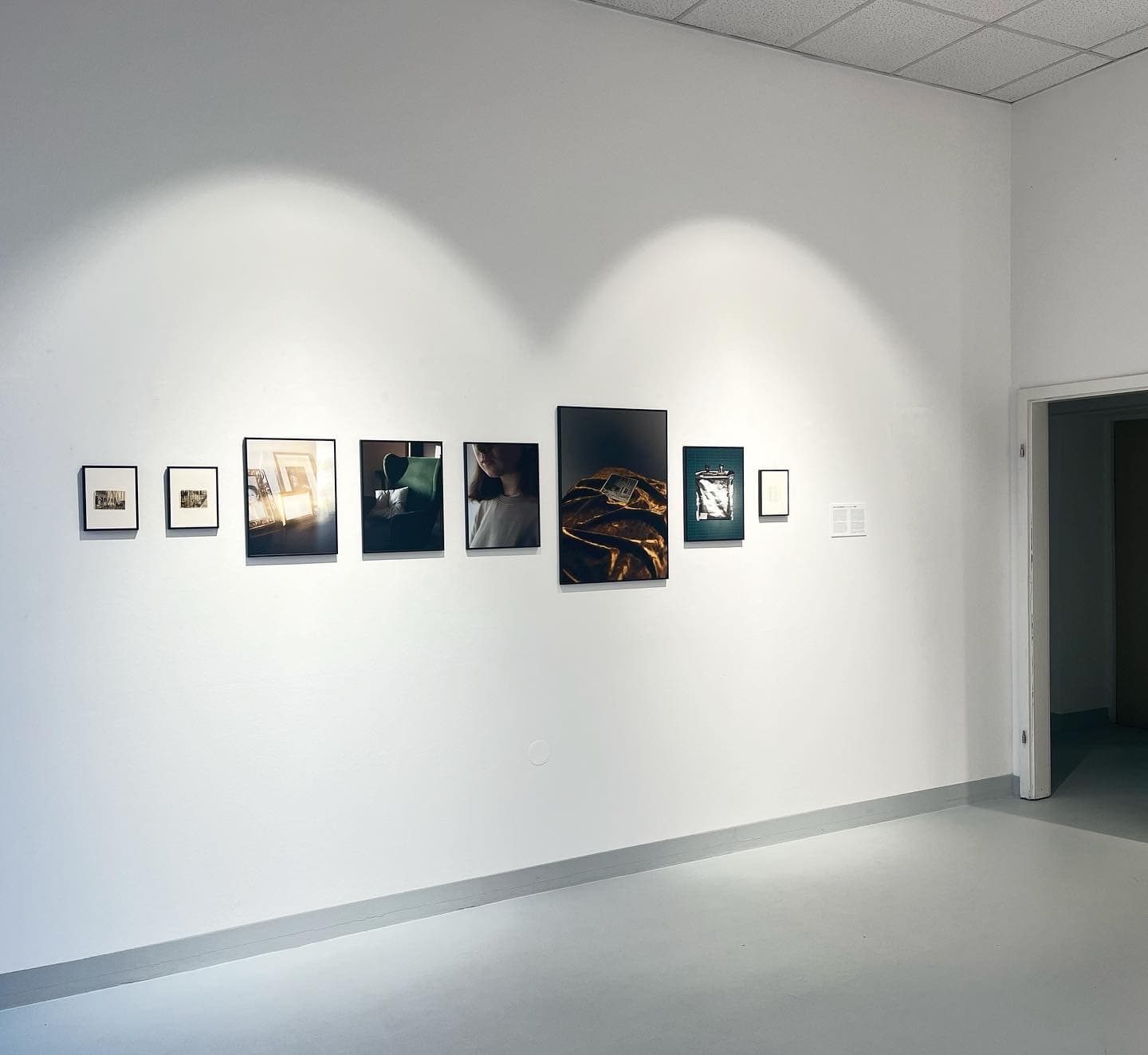
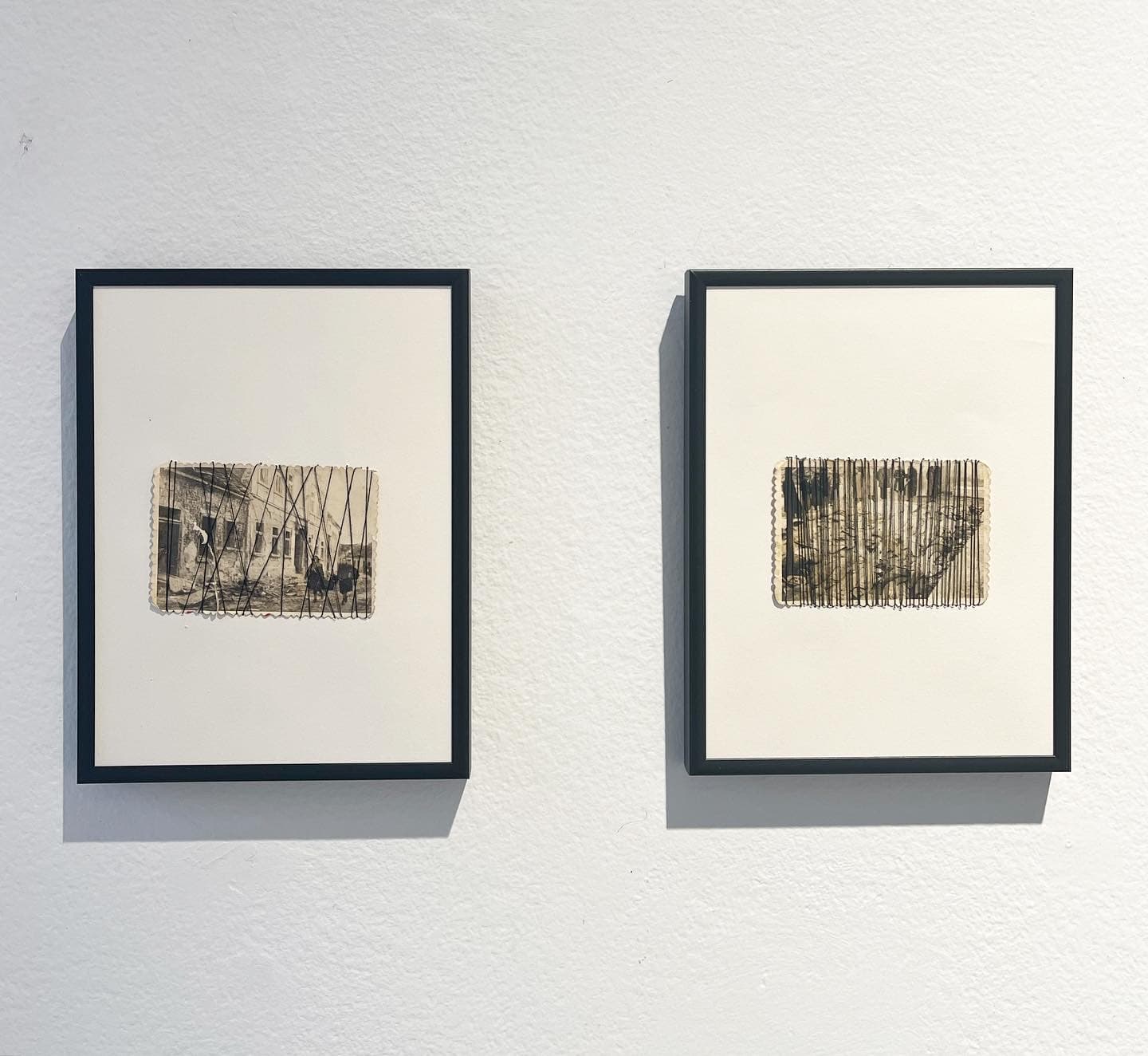
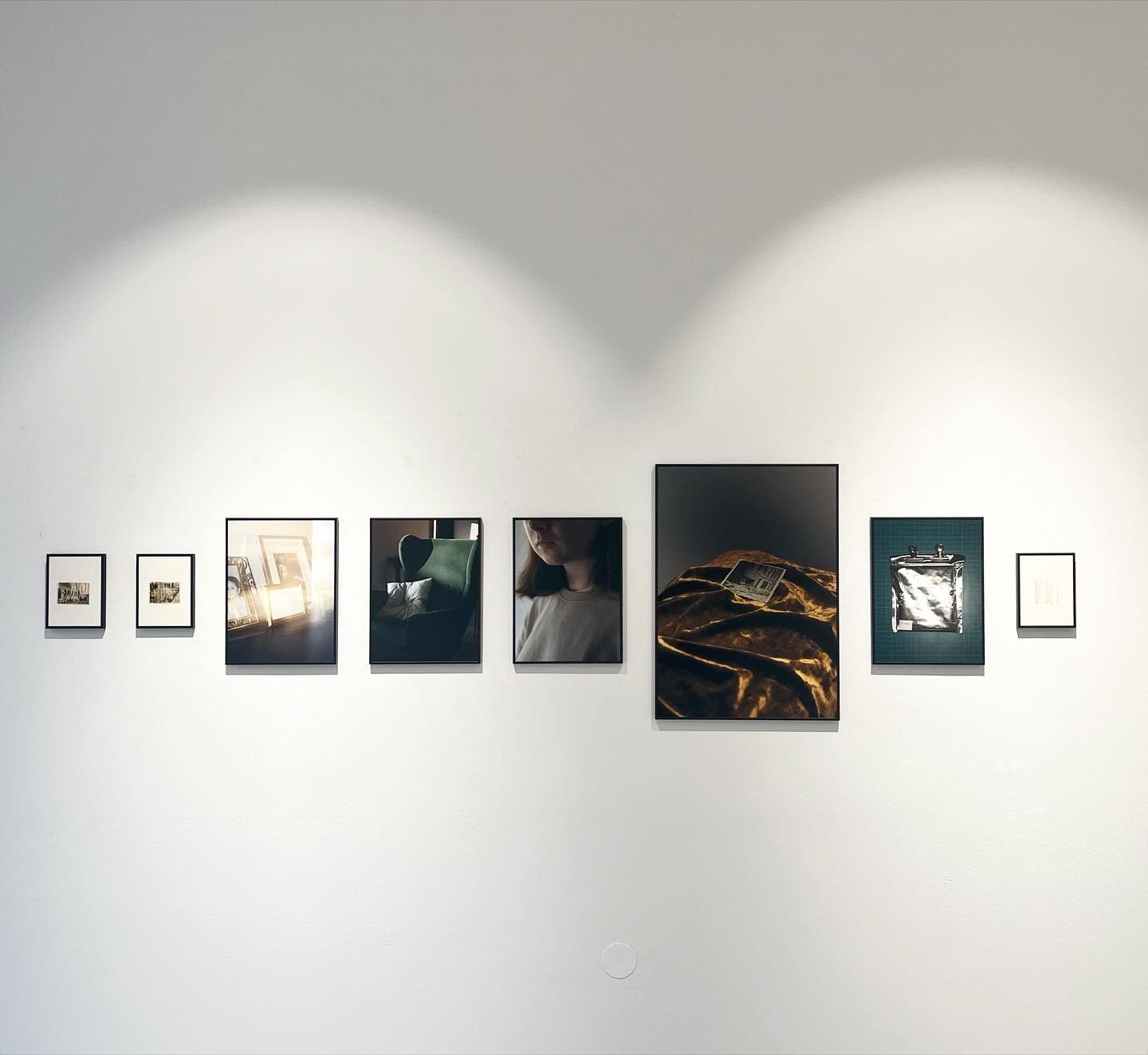
In our family archive I discovered historical photographs that were significantly different from other (family) motifs shown there. These depicted the suffering and horror of 1945, when my hometown Nitra was bombed by the Red Army. By gradually exploring and revealing, I uncovered the experienced family trauma, materialized in the artefact of the photographs. They were bought and carefully preserved by my great-grandfather, who survived the bombing with his whole family. I handle these photos as material memory and think about the very essence of photography. Is it a material object that we can hold in our hands or is it an intangible memory, a kind of story we kept in our head? With my care, I try to preserve them, as an artifact and the story behind it. From the family story and the trauma of my great-grandfather, through the level of our non-existent relationship, when we do not share any common moments and lived experience, I come to critical reflection on the mediated image of war in the current context. What is the function of a photograph depicting human horror, and what should be our reaction when we see it? Is it a testimony that will guarantee that something like this will never happen again in the future? Will keeping past traumas in mind and constantly reminding them, as my great-grandfather did, ensure that they will never be repeated anywhere again? Today we can already claim that it does not guarantee.
Gallery